How do I handle disclosures when selling an older home in Cambrian?
You handle them by being thorough, honest, and proactive. In California, you are legally required to disclose every material fact you know about your property, and in a neighborhood like Cambrian where most homes were built between the 1950s and 1980s, the list of potential disclosure items is longer than you might expect.
Why Cambrian Seller Disclosures Matter Right Now
If you are thinking about listing your Cambrian home, disclosures are not just paperwork. They are your single best legal protection after the sale closes. This is something I see sellers underestimate all the time: the risk does not end at the closing table. It can follow you for years if a buyer discovers something you failed to disclose.
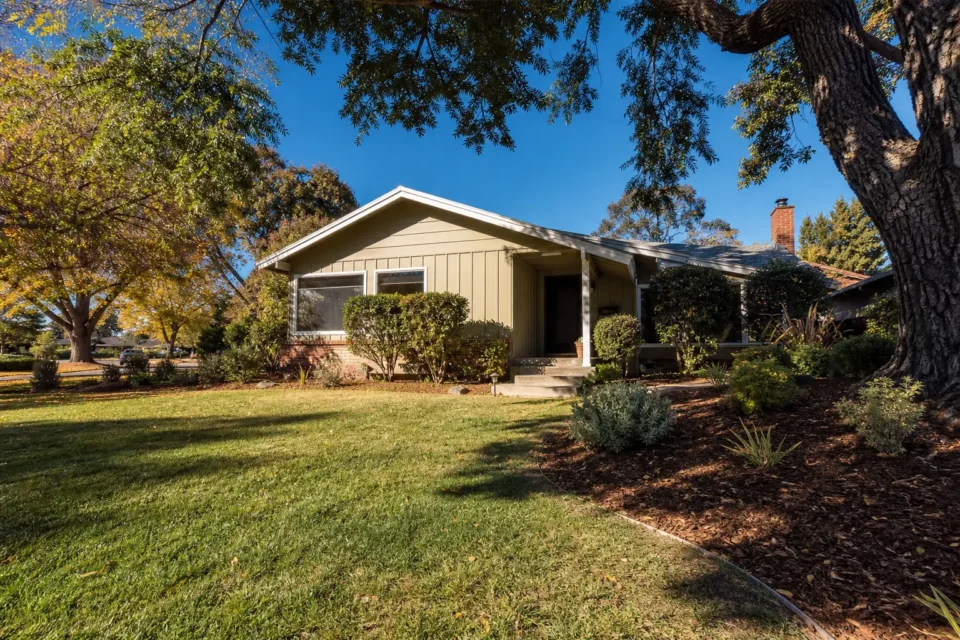
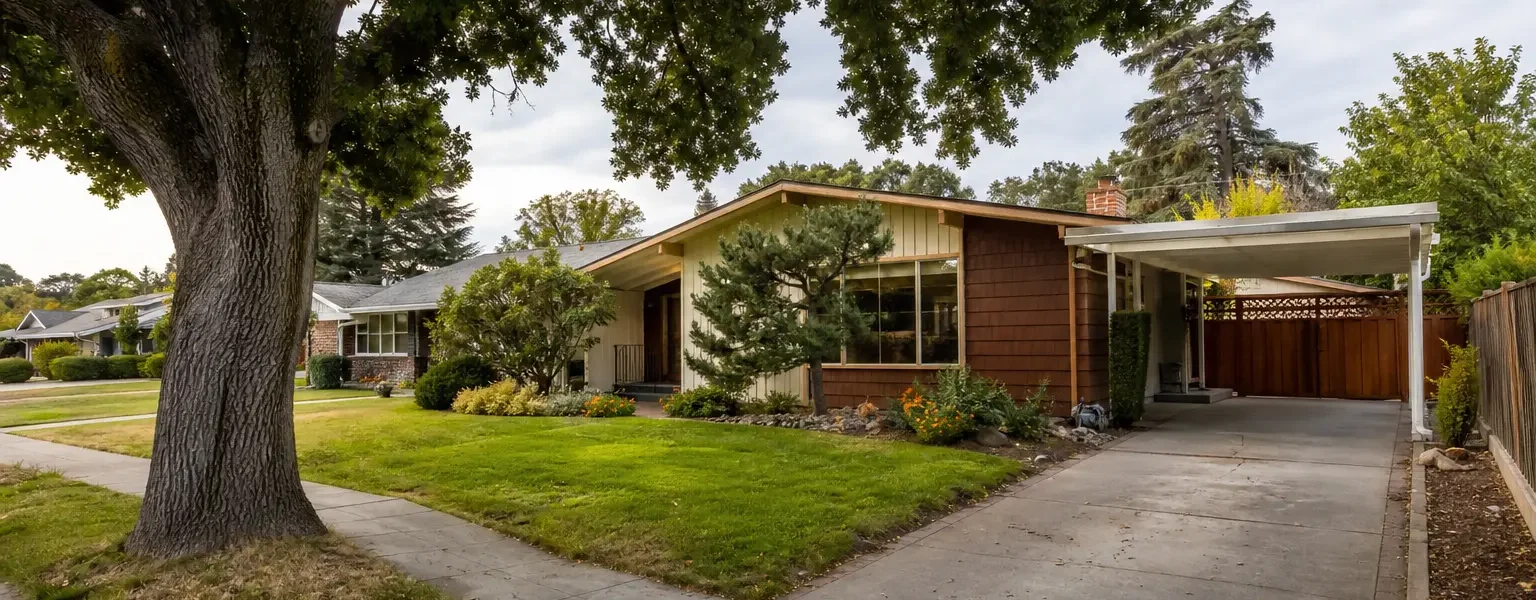
Cambrian’s housing stock is predominantly mid-century construction, which means your home likely has features that trigger specific disclosure requirements under California law. We are talking about original galvanized plumbing, older electrical systems, potential asbestos in popcorn ceilings or floor tiles, and, for homes built before 1978, lead-based paint obligations under federal law. Buyers drawn to Cambrian’s established character and strong school reputation tend to do their homework. They hire thorough inspectors, and they read every word of your disclosure packet.
With 35 years of experience and over 351 closed transactions, I can tell you that the sellers who handle disclosures well are the ones who close smoothly. The ones who cut corners are the ones who end up in disputes.
What California Law Requires You to Disclose in Cambrian
California’s disclosure framework is one of the most comprehensive in the country, and it applies to every residential sale of one to four dwelling units. Here is what you need to know.
The Transfer Disclosure Statement (TDS)
The Real Estate Transfer Disclosure Statement is mandatory under California Civil Code Section 1102.3. You must complete it based on your personal knowledge and a reasonably diligent inspection of the property, according to California Department of Real Estate guidance. This is not optional, and it is not something your agent fills out for you. You, the seller, are answering these questions.
The TDS covers structural components, plumbing, electrical, roof condition, appliances, environmental hazards, neighborhood nuisances, and much more. For a Cambrian home that has been lived in for decades, you probably know things about the property that no inspector would catch: that slow drain in the hall bathroom, the window that sticks every summer, or the section of fence that your neighbor actually owns.
Timing Matters
Under California law, as of January 2026 per the California Department of Real Estate’s published Real Estate Law, sellers have a standard 7-day window after contract execution to deliver all required disclosures to the buyer. Miss that window — or deliver amended disclosures after contract execution — and the buyer gains a rescission right: 3 days to cancel if disclosures are delivered in person, or 5 days if delivered by mail. That timeline alone should motivate you to start preparing disclosures before you even list.
So what does this actually mean for your sale? It means that having your disclosures ready to go on day one, rather than scrambling after you accept an offer, can prevent deal-killing delays.
Pre-Sale Inspections and Your Disclosure Obligations in Cambrian
Here in San Jose, unless the home is a complete fixer-upper, I typically recommend ordering pre-sale inspections. For Cambrian homes especially, a thorough property inspection, pest inspection, and sometimes a sewer lateral scope can surface issues before they become surprises mid-transaction.
But here is the critical point: just having inspections done does not absolve you from your disclosure obligations within the state of California. The inspection report and the TDS serve different purposes. The inspector documents what they find during a snapshot examination. Your disclosure obligation covers everything you personally know, whether or not it shows up on an inspection report.
What I tell my clients is to take their time. Read the disclosure questions carefully and answer them fully. Most real estate attorneys will advise that if you are questioning whether or not to disclose something, the answer is generally yes, you should disclose it. Any material fact that could influence a buyer’s decision to purchase the property at any given price belongs in your disclosure packet.
Common Cambrian Disclosure Items You Should Not Overlook
Given the typical age of Cambrian homes, here are items that come up frequently:
- Asbestos-containing materials in popcorn ceilings, vinyl floor tiles, or pipe insulation, which the TDS specifically asks about as part of environmental hazard disclosures per DRE guidance
- Lead-based paint for any home built before 1978, generally involving a federal disclosure form, the EPA pamphlet, and a buyer inspection period — the terms of which buyers may modify or waive — as noted in DRE guidance
- Original plumbing such as galvanized pipes that may have reduced water flow or corrosion
- Unpermitted improvements including room additions, garage conversions, or bathroom additions completed over the decades without building permits
- Electrical panel age and capacity, particularly older panels that may not meet current demand
If you have lived in your Cambrian home for 20 or 30 years, you have likely made improvements along the way. The question of whether permits were pulled is one of the most important items on the TDS, and “I’m not sure” is an acceptable answer when it is true. What is not acceptable is leaving the question blank or checking “no” when you know work was done.
The AB 968 Contractor Work Disclosure and What It Means for Cambrian Sellers
If you purchased your Cambrian home within the last 18 months and had contractor work done, there is a newer requirement you need to know about. AB 968, effective July 1, 2024, per the California DRE’s 2025 update, requires sellers who acquired title within the prior 18 months to disclose all contractor-performed room additions, structural modifications, alterations, or repairs where the contract value was $500 or more. You must also provide contractor names and copies of permits.
For most long-term Cambrian homeowners, this particular law will not apply directly since you have held title well beyond 18 months. However, it is still important to understand because the underlying principle remains the same: known unpermitted work should be disclosed on the TDS regardless of how long you have owned the home.
Have you added a bathroom, converted a garage to a bedroom, or enclosed a patio over the years? These are exactly the types of improvements that buyers and their inspectors will scrutinize. Being upfront about them protects you far more than silence ever could.
Natural Hazard and Environmental Disclosures for Your Cambrian Home
Beyond the TDS, California requires a separate Natural Hazard Disclosure (NHD) Statement. Under AB 1280, as confirmed in the DRE’s 2025 update, this now includes disclosure of whether your property falls within a high fire hazard severity zone, not just a very high zone. The NHD also covers flood hazard areas, earthquake fault zones, and seismic hazard zones.
You will typically work with a third-party NHD company to generate this report, and it is based on your property’s specific parcel, not your general neighborhood. For Cambrian homes, earthquake-related disclosures are part of the required NHD report, and your specific parcel data will determine what applies.
The TDS also requires you to disclose known environmental hazards including radon gas, formaldehyde, fuel or chemical storage tanks, and contaminated soil or water. If your older Cambrian home has an underground oil tank from a bygone heating system, or if you are aware of any soil contamination, these are items that must be disclosed.
Why Thorough Disclosure Actually Protects Your Sale Price in Cambrian
I spent years in management roles in real estate, and non-disclosure is among the most common reasons sellers face legal action after the sale closes — a pattern I have seen repeatedly across hundreds of transactions.
Here is the part that surprises many Cambrian sellers: thorough disclosure does not typically reduce your sale price. What it does is reduce your legal exposure after closing. Buyers in this market expect older homes to have older-home issues. What they do not tolerate is discovering those issues after they have already committed.
It is important to work with a real estate agent who has a system for helping you complete your disclosures and who will take the time to review them before giving them to buyers. Having closed over 351 transactions and earned 163 five-star reviews, I have developed exactly that kind of systematic approach. Risk mitigation is often overlooked in real estate transactions, and it should not be.
We recently worked with them selling our home in Cambrian Park and the process was extremely easy with great communication along the way.” That kind of communication is especially critical during the disclosure phase, where clarity and completeness matter most.
Frequently Asked Questions
What is the most important disclosure document when selling my Cambrian home?
The Real Estate Transfer Disclosure Statement (TDS) is the primary document required under California Civil Code Section 1102.3. It covers your personal knowledge of every aspect of the property, from structural conditions to environmental hazards. For Cambrian homes built in the mid-century era, this document often runs several pages because older homes have more items to address.
Do I need to disclose lead-based paint in my Cambrian home?
If your home was built before 1978, yes. Federal law generally calls for providing a lead-based paint disclosure form, the EPA pamphlet on lead hazards, and offering the buyer an inspection opportunity — one the buyer may modify or waive by written agreement — as noted in DRE guidance. Since most Cambrian homes were built between the 1950s and 1980s, this requirement applies to many sellers in the neighborhood, given that Cambrian’s housing stock dates predominantly from the 1950s through the 1980s — a range that includes a significant number of pre-1978 homes.
How long do I have to deliver disclosures to the buyer?
Under California law as of January 2026 per the DRE’s published Real Estate Law, sellers have 7 days after contract execution to deliver all required disclosures. If you deliver them late or later deliver amended disclosures, the buyer gets a 3-day rescission window for in-person delivery or 5 days for mail delivery. Preparing disclosures before listing significantly reduces the chance of triggering this rescission window on your original delivery.
Should I order a pre-sale inspection before listing my Cambrian home?
In most cases, yes. Unless you are selling a complete fixer-upper, pre-sale inspections help you understand what buyers will find. However, remember that inspections do not replace your personal disclosure obligation. You must still answer every TDS question based on your own knowledge of the property.
What happens if I do not disclose a known defect?
Non-disclosure of known material facts can result in legal action from the buyer after closing. This is among the most common reasons sellers face legal action after a sale. Even if the defect seems minor, if it would influence a buyer’s decision to purchase at a given price, it generally should be disclosed.
Does unpermitted work need to be disclosed in Cambrian?
Yes. The TDS asks about unpermitted improvements, and you are required to answer honestly. Many Cambrian homes have had room additions, garage conversions, or kitchen updates over decades. If you know or suspect work was done without permits, you should disclose that information on the TDS.
What does AB 968 require for sellers in 2026?
AB 968, effective July 1, 2024 per the DRE’s 2025 update, requires sellers who acquired title within the prior 18 months to disclose all contractor work with a contract value of $500 or more. This includes providing contractor names and permit copies. Long-term Cambrian homeowners who have held title beyond 18 months are generally not subject to this specific rule.
What natural hazards do I need to disclose?
California’s Natural Hazard Disclosure Statement covers flood hazard areas, earthquake fault zones, seismic hazard zones, and, under AB 1280 as confirmed in the DRE’s 2025 update, high fire hazard severity zones. A third-party NHD company generates this report based on your specific parcel data.
Will disclosing problems lower what my Cambrian home is worth?
Not typically. Buyers in Cambrian expect older homes to have age-related conditions. Thorough disclosure builds trust and reduces the likelihood of renegotiation during escrow or legal claims after closing. The risk of concealing known issues far outweighs any perceived pricing advantage.
How do I know if something is worth disclosing?
Most real estate attorneys advise that if you are even questioning whether to disclose something, the answer is generally yes. The standard is whether a fact would materially influence a buyer’s decision to purchase your property at any given price. When in doubt, disclose, and let your agent help you frame it clearly.
The Bottom Line
Selling an older home in Cambrian means navigating a disclosure process that is more detailed than what sellers of newer construction face. But that is not a disadvantage. It is an opportunity to demonstrate transparency, build buyer confidence, and protect yourself legally long after the sale closes.
Take your time with the TDS. Be honest about what you know. Order pre-sale inspections, but do not rely on them as a substitute for your own disclosure obligation. And work with an agent who has the experience to guide you through every line of that paperwork.
With 35 years in the business, over 351 closed transactions, and 163 five-star reviews, I have built a system specifically designed to help Cambrian sellers handle disclosures with confidence. If you are preparing to sell your home in Cambrian and want to make sure your disclosure package is complete and defensible, reach out to me, Kip Barnard with Kip and Tam at Compass, at 408-515-8277. Getting this right is one of the most important things you can do for a smooth, successful sale.