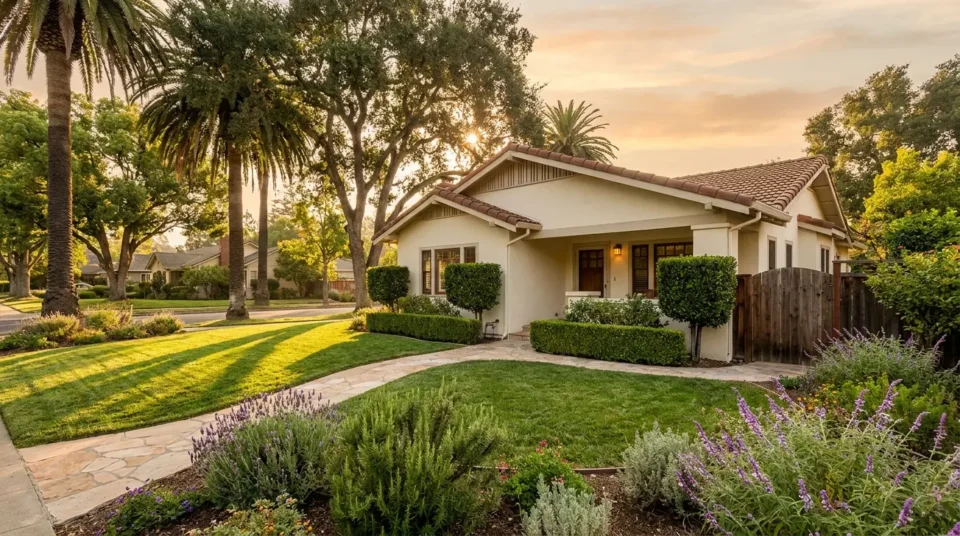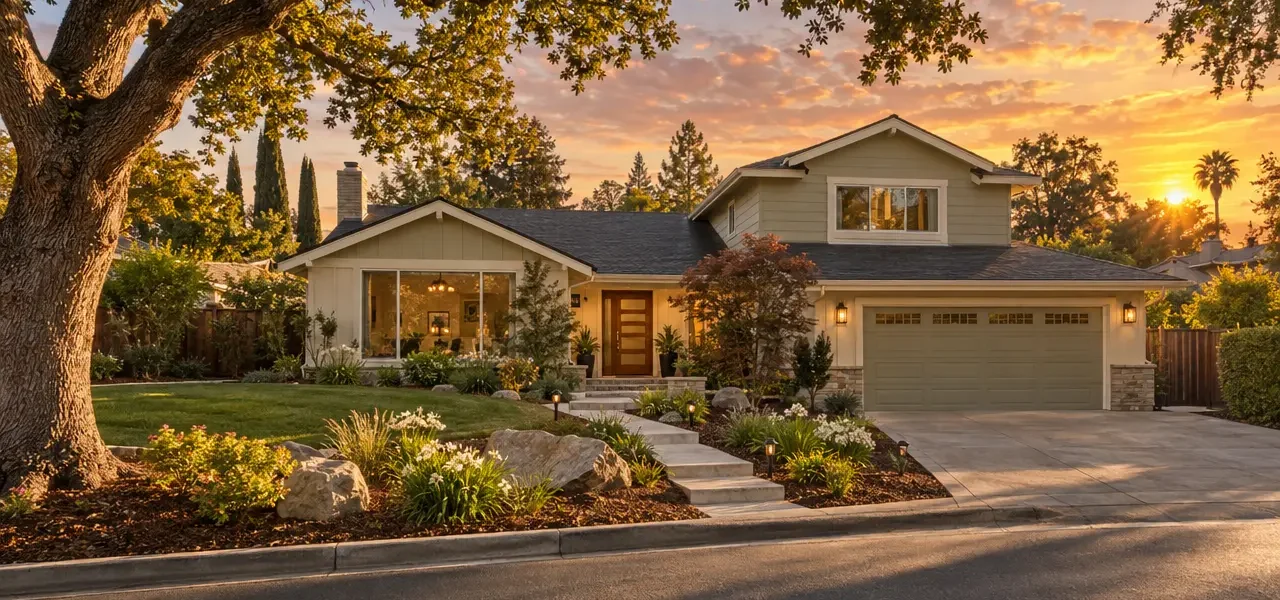
How do pay-at-closing renovation programs work for sellers in Cambrian and San Jose?
These programs front the cost of pre-listing improvements so you pay nothing out of pocket. The renovation costs, plus a fee or interest charge, are repaid from your seller proceeds at closing through escrow.
Why This Matters Right Now in Cambrian and San Jose
If you are thinking about selling your home in Cambrian or Willow Glen, you already know that presentation matters in this market. California’s statewide median existing single-family home price reached $901,420 as of August 2026, according to the California Association of REALTORS. In a high-value market like San Jose, even small improvements to your home’s condition can translate to meaningful dollar differences at the closing table.
But here is the tension you are probably feeling: you want to maximize what your home sells for, yet spending tens of thousands of dollars on renovations before you have a buyer feels risky. That is exactly the gap pay-at-closing renovation programs are designed to bridge. You get the work done, your home shows better, and you settle the bill from your proceeds once the sale closes.
With 35 years in real estate and over $1.3 billion in Silicon Valley residential transactions managed throughout my career, I have seen how condition-sensitive Cambrian buyers can be. What I tell my clients is that understanding these programs, and the fine print behind them, is one of the smartest moves you can make before listing.
What Pay-at-Closing Renovation Programs Actually Are in San Jose
At their simplest, pay-at-closing renovation programs advance money for pre-listing home improvements. The program covers the upfront cost of painting, landscaping, kitchen or bath refreshes, staging, flooring, and other work designed to make your Cambrian home more appealing to buyers. You do not write a check before your home sells.
Instead, repayment happens at settlement. Your escrow officer itemizes all closing costs and deductions on the settlement statement, and the renovation program repayment, including its fee or interest component, appears as a line item deducted from your net proceeds. The California Association of REALTORS defines closing costs as expenses beyond the price of the home that buyers and sellers incur when a property is sold. The program repayment simply joins that list.
In my experience, there is a variety of different programs available, and they will typically all charge a fee or an interest rate due on closing out of your seller proceeds. Some charge a flat fee, some charge interest on the amount advanced, and at least one program associated with C.A.R.’s REALTOR Secure Transaction platform (Revive) has advertised no interest or fees as described by C.A.R. The fee structures differ materially from program to program.
So how do you know which structure works best for your situation? That is where comparing options side by side with your agent becomes critical, and it is something I walk sellers through regularly.
How the Closing Process Works When You Use a Renovation Program
You might wonder what happens on the day you actually close. The mechanics are straightforward, but you should understand them before you sign anything.
Before Work Begins
You review and sign a program agreement that spells out the total repayment obligation, including the principal amount advanced plus the fee or interest. You will want this number in writing. An attorney or your agent can help you review the agreement, and C.A.R.’s Legal Hotline is available to member agents for transaction-specific questions.
During Renovations
The program either assigns contractors from its own network or works with contractors you and your agent select, depending on the specific program. Work proceeds, and the program covers the invoices. You focus on your moving timeline rather than managing payments to vendors.
At the Closing Table
When escrow closes, the settlement statement reflects the program repayment alongside commissions, title fees, and any other seller costs. Your net proceeds are what remain after all deductions. As a Broker Associate with DRE license 01428934 and 351 closed transactions, I can tell you that reviewing this settlement statement line by line is something I encourage every seller to do. No surprises at closing is the goal.
What does that actually mean for your bottom line? It means you need to compare the cost of the program against the potential increase in your sale price, and make that calculation before the paint cans are opened.
Comparing Different Programs Available to Cambrian Sellers
Not all pay-at-closing programs are built the same. Here is what you should be asking each provider before committing:
- What is the total cost? Is it a flat fee, a percentage, or an interest rate on the advance? How is it calculated, and is there a cap?
- What is the maximum advance? Some programs limit the dollar amount they will front. In Cambrian, where homes carry significant value, you need to know whether the cap covers your planned scope of work.
- Who selects and manages the contractors? Some programs use their own vetted network. Others give you and your agent more flexibility. Contractor quality directly affects how your home shows.
- What happens if escrow falls through? This is the question many sellers forget to ask. If your buyer backs out, does the repayment obligation carry forward to the next sale? Are there additional charges? Get this in writing.
One program I am happy to walk sellers through is Compass Concierge, which fronts the cost of presale improvements with repayment due at closing. There are other programs in the market as well, and each has its own terms. What I consistently see is that sellers who compare at least two or three options make better decisions than those who sign up for the first program they hear about.
Rated 5 out of 5 stars across 163 reviews, our team has the experience to help you navigate these comparisons. This is not a decision you should make without professional guidance.
Which Renovations Actually Move the Needle for Cambrian Buyers
You could renovate every room in your home and still not see a proportional return. The key question is: which improvements do Cambrian buyers actually reward with higher offers?
In neighborhoods like Cambrian and Willow Glen, buyers are comparing move-in-ready homes against dated inventory. They notice fresh interior and exterior paint, updated flooring, modern kitchen finishes, clean landscaping, and professional staging. These are the improvements that tend to generate the strongest buyer response.
What I tell my clients is to focus spending where buyer perception shifts the most. A kitchen with updated countertops and hardware photographs differently than one with 1990s tile. Clean, neutral flooring makes rooms look larger. Curb appeal, including fresh landscaping and a painted front door, sets the tone before buyers even walk inside.
That said, over-improving for the neighborhood is a real risk. You do not want to invest in a full kitchen remodel if comparable Cambrian sales do not support recovering that cost. Your agent should help you identify the sweet spot where renovation dollars produce the highest net return after program repayment.
Strategic preparation is what separates strong outcomes from average ones, and a pay-at-closing program can make that preparation accessible without upfront cash.
What Could Go Wrong and How to Protect Yourself in San Jose
No financial arrangement is without risk. Here is what you need to consider:
If Your Home Does Not Sell
Some programs require repayment even if the home does not close. Others pause the obligation until a sale occurs. You need to understand your specific program’s terms on this point before authorizing any work. Ask directly: what is my obligation if the home is withdrawn from the market?
If the Sale Price Comes in Lower Than Expected
The renovation program repayment is typically a fixed amount based on the work completed. If your Cambrian home sells for less than anticipated, the repayment does not shrink. Your net proceeds take a bigger hit proportionally. This is why the decision about scope of work matters so much.
Program Liens
Some programs may record a lien against your property to secure repayment. You should confirm whether this applies and how it affects your title. Reviewing the program agreement with legal counsel, or at minimum with your agent, is a wise step.
California sellers already carry extensive disclosure obligations under state law and the listing agreement. A renovation program agreement is a separate financial obligation on top of those requirements. Treat it with the same care you would give any other contract involving your property.
How to Decide If a Pay-at-Closing Program Is Right for Your Cambrian Home
This decision comes down to a few core questions:
- Do you have the cash to fund renovations yourself? If so, you might save money by avoiding program fees entirely. If not, the program fills a real gap.
- Will the improvements likely generate a net gain after repayment? Your agent should help you estimate this based on comparable Cambrian sales and the specific scope of work.
- Are you comfortable with the program terms? Read the agreement carefully, particularly the sections on what happens if the sale falls through or takes longer than expected.
- Is your timeline tight? If you need to relocate quickly, a program that manages contractors and accelerates preparation can be valuable. One of the things I specialize in is relocation, and I have seen how program-managed renovations can compress a pre-listing timeline meaningfully.
In my experience working with Cambrian and Willow Glen sellers over 35 years, the best outcomes happen when sellers make this decision with full information, not just marketing materials. That is exactly why I encourage every seller to sit down and compare programs before committing.
Frequently Asked Questions
Do I pay anything upfront with a pay-at-closing renovation program in San Jose?
No. The defining feature of these programs is that you pay nothing out of pocket before your home sells. The program advances the renovation costs, and repayment, including any fee or interest, comes from your seller proceeds at closing through escrow.
How much do pay-at-closing programs typically charge?
It varies by provider. Some charge a flat fee, some charge interest on the advanced amount, and some have advertised no fees or interest. As described by C.A.R., one program listed on their REALTOR Secure Transaction platform has advertised no interest or fees, as described by C.A.R. — though sellers should confirm current terms directly with the provider. You should compare at least two or three programs to understand the true cost.
What types of renovations are covered by these programs?
Most programs cover painting, flooring, landscaping, kitchen and bath updates, staging, and general repairs. The eligible improvement types vary by program. Your agent can help you identify which improvements align with what Cambrian and Willow Glen buyers expect.
What is Compass Concierge and how does it work?
Compass Concierge is one pay-at-closing program available through Compass-affiliated agents. It fronts the cost of presale improvements, and repayment is due at closing. I am happy to walk sellers through this program and how it compares to alternatives.
What happens if my Cambrian home does not sell?
This depends entirely on the program agreement you signed. Some programs pause the repayment obligation until a future sale. Others may require repayment regardless. Get clear answers on this before authorizing any renovation work.
Will a renovation program put a lien on my property?
Some programs record a lien against your property to secure the repayment. You should confirm this with the program provider and review the implications with your agent or legal counsel before signing.
How do I know which improvements will increase my home’s value in Cambrian?
Focus on improvements that Cambrian buyers reward: fresh paint, updated flooring, kitchen refreshes, clean landscaping, and professional staging. Your agent should help you prioritize based on comparable sales in the neighborhood so you avoid over-improving.
Can I use my own contractor instead of the program’s?
Some programs require their own vetted contractors, while others allow you to choose. Ask this question upfront because contractor quality directly affects how your home presents to buyers and how smoothly the renovation timeline proceeds.
How is the program repayment shown at closing?
The repayment appears as a line item on your settlement statement, alongside commissions, title fees, and other seller costs. Your escrow officer will itemize everything so you can review it before signing.
Is a pay-at-closing program worth it compared to selling as-is in San Jose?
It depends on your home’s current condition, your financial situation, and the likely return on improvements. In many cases, strategic pre-listing renovations result in a higher net return even after program costs, but this is not guaranteed. Discussing your specific situation with an experienced local agent is the best way to make this decision.
The Bottom Line
Pay-at-closing renovation programs give you a practical way to prepare your Cambrian or Willow Glen home for sale without tying up your own cash. But they are not one-size-fits-all. The fee structures, contractor networks, risk provisions, and repayment terms vary meaningfully from program to program.
What I always tell sellers is this: compare your options, read the agreements carefully, and make sure the renovations you are funding are the ones that Cambrian buyers actually reward. With 35 years in Silicon Valley real estate and 351 closed transactions, I have seen what works and what does not.
If you are considering selling your home in Cambrian, Willow Glen, or anywhere in San Jose and want to understand how these programs compare, including Compass Concierge, give us a call at 408-515-8277. Kip and Tam at the Barnard Group are here to walk you through every option so you can make the decision that puts the most money in your pocket at closing.