If you’re leaving California, should you sell your San Jose home or keep it as a rental property?
It depends on whether you need the equity for your next home and how long you plan to be gone. If you need the proceeds, sell. If you might return within a couple of years, renting can make sense, but only if you stay mindful of the capital gains tax exclusion timeline.
Why This Matters Right Now for San Jose Homeowners
If you own a home in Cambrian, Willow Glen, or the surrounding San Jose neighborhoods, you are likely sitting on significant equity. That appreciation is one of your biggest financial assets, and how you handle it when you leave California could mean a difference of tens or even hundreds of thousands of dollars in taxes.
What I tell my clients is this: the decision to sell or rent is not just a lifestyle question. It is a tax question, a financing question, and a timing question all rolled into one. And for homeowners in high-appreciation areas like San Jose, getting it wrong carries real consequences.
With 35 years of experience in real estate and more than $1.3 billion in Silicon Valley residential transactions over my career, I have walked countless homeowners through this exact crossroads. The answer is rarely one-size-fits-all, but the framework for making the right choice is clear once you understand the moving parts.
The Capital Gains Tax Exclusion: Your Most Valuable Asset in San Jose
Before you decide anything, you need to understand the IRS Section 121 exclusion, because it is the single biggest factor in this decision.
Here is how it works. If you have owned your home and used it as your principal residence for at least 2 out of the last 5 years before the sale date, you can exclude up to $250,000 of capital gains from federal taxes if you file as a single taxpayer, or up to $500,000 if you are married filing jointly. This is per IRS Publication 523, applicable for the 2025 tax year, with the 2026 publication not yet issued at the time of this writing.
So what does that actually mean in plain terms? If you and your spouse bought your Cambrian home years ago for $400,000 and it is now worth $1.4 million, you are looking at roughly $1 million in capital gains. The $500,000 exclusion would shelter half of that from federal tax. Without the exclusion, you could owe federal taxes on the full gain.
Here is where it gets critical for San Jose homeowners specifically. The moment you move out and convert the property to a rental, that 5-year clock keeps ticking, but you stop accumulating qualifying residency time. Rent the home out for three years, and you may no longer meet the 2-of-5-year use test. At that point, the exclusion is reduced or gone entirely.
In my experience, many homeowners in Willow Glen and Cambrian underestimate how quickly that window closes. They assume they can “always sell later” and still claim the full exclusion. That assumption can cost a staggering amount of money.
When Selling Your San Jose Home Is the Clear Answer
There are situations where selling is clearly the right move. The most straightforward one: you need the equity from your San Jose home to purchase your next property.
If the proceeds from the sale fund your down payment, closing costs, or the outright purchase of a home in another state, holding onto the property as a rental creates both a liquidity problem and a financing headache. Holding the property as a rental while trying to qualify for a new mortgage can create financing complications, and lenders’ requirements vary — consult your lender about how rental income and existing mortgage obligations factor into your qualification.
Beyond the financial logistics, selling makes sense when:
- You have owned and occupied the home for at least 2 of the last 5 years and can claim the full Section 121 exclusion right now
- You do not plan to return to California and have no strategic reason to hold Bay Area real estate
- You want certainty. Selling eliminates the risk of market fluctuations, problem tenants, remote property management, and the slow erosion of your tax exclusion
- Your accumulated gain is large. The higher the appreciation, the more valuable the exclusion becomes, and the more you stand to lose by letting it expire
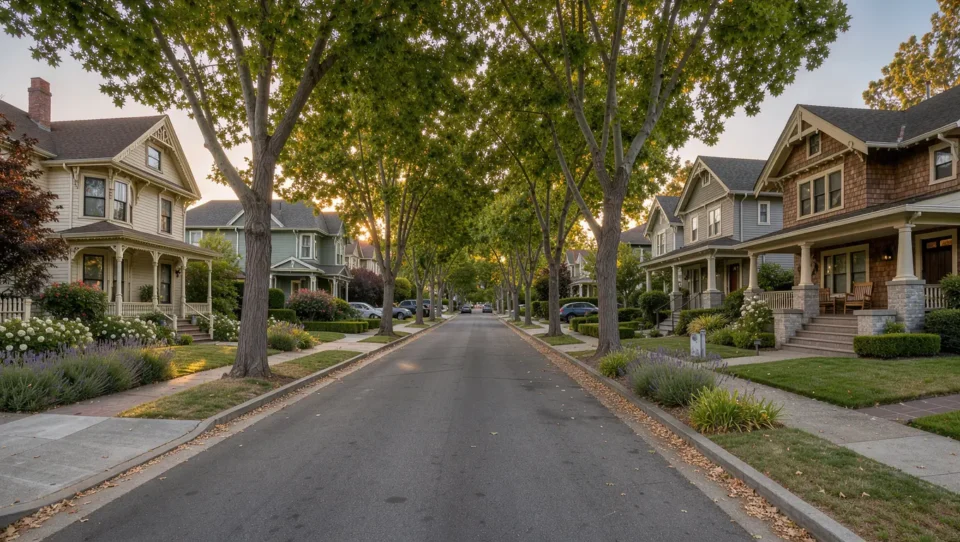
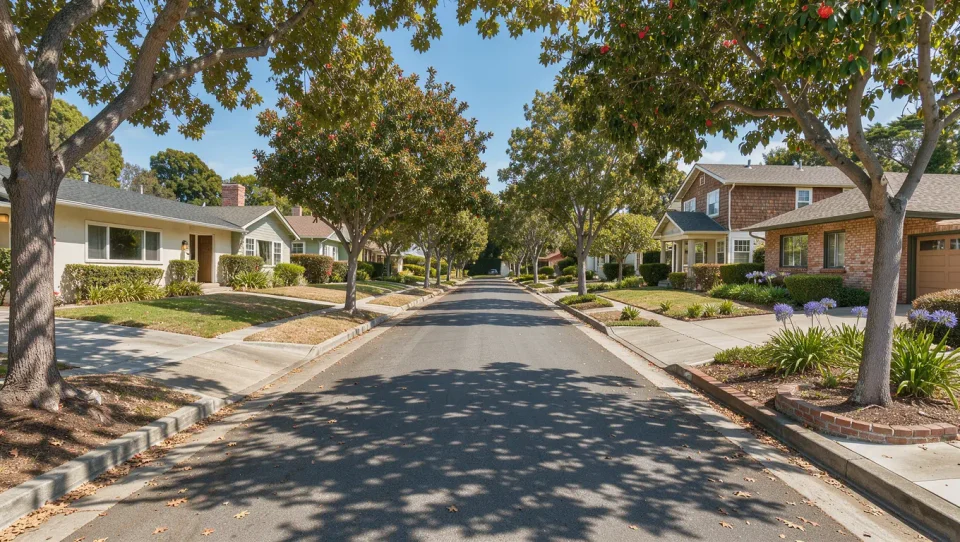
For homeowners along the tree-lined streets of Willow Glen or the established neighborhoods near Cambrian Park, gains accumulated over a decade or more of ownership can easily exceed the exclusion threshold. Selling while the exclusion is available is often the most financially sound decision.
What is your home worth in Cambrian or Willow Glen today? That is a question worth answering precisely before you commit to either path, because the size of your gain determines how much the exclusion is worth to you in real dollars.
When Renting Out Your San Jose Home Could Make Sense
There is a scenario where renting can be a reasonable short-term strategy: you think you might come back to California.
If a job transfer, family situation, or other circumstance means you could be returning to San Jose within roughly two years, holding the property and renting it out preserves your housing option in one of the most expensive markets in the country. You keep your foothold in Cambrian or Willow Glen without having to buy back in at potentially higher prices.
But here is the part that too many homeowners overlook. It is critical that you be mindful of the timelines as they relate to your capital gains tax exclusion. If you rent the home out too long, you will lose that benefit.
The Nonqualified Use Problem
Under the tax code, any period after 2008 during which the property is not used as your principal residence may be treated as “nonqualified use.” Per IRS Publication 523 for the 2025 tax year, gain allocable to nonqualified use periods may not be excluded under Section 121. This means that even if you technically still meet the 2-of-5-year test, a portion of your gain tied to the rental period could be taxable.
Depreciation Recapture Cannot Be Avoided
If you claim depreciation deductions on the property during the rental period — and depreciation deductions may be claimed by rental property owners — those deductions are recaptured as taxable income when you sell. Per the IRS FAQ on sales, trades, and exchanges for the 2025 tax year, depreciation recapture is taxed at ordinary income rates and cannot be sheltered by the Section 121 exclusion, no matter how long you lived in the home.
This is a cost that many homeowners do not factor in when they imagine the “passive income” of renting out their San Jose home.
The California Tax Layer You Cannot Ignore
Here is something that catches a lot of departing California homeowners off guard. California taxes capital gains as ordinary income, with state marginal rates that can reach 13.3 percent for high earners. Even if you have already moved to a state with no income tax, you may still owe California tax on the gain from the sale of your San Jose property, depending on the timing of your move and when you establish residency elsewhere.
This is an area where the specifics of your situation matter enormously, and I strongly recommend consulting a California tax professional before making a final decision. The interplay between federal and state tax obligations on a high-appreciation Cambrian or Willow Glen home can be complex, and the financial stakes justify expert guidance.
What I consistently see with sellers here in San Jose is that the total tax picture, federal plus California state, often tips the scales toward selling sooner rather than later when the exclusion is available.
How to Prepare Your San Jose Home for Sale if You Decide to Sell
Once you decide that selling is the right move, timing and preparation become everything. The best time to sell your home in San Jose depends on your personal timeline, but proper pre-sale preparation can significantly impact your net proceeds regardless of when you list.
With 351 closed transactions and 163 five-star reviews from past clients, our team at Kip and Tam at the Barnard Group has refined a pre-sale process that addresses the specific expectations of Cambrian and Willow Glen buyers:
- Strategic pricing based on current neighborhood-level data, not broad citywide averages
- Professional staging and photography that highlight the features buyers in these neighborhoods prioritize, such as mature landscaping, updated kitchens, and indoor-outdoor living spaces
- Pre-sale preparation guidance that targets the highest-return improvements for your specific property
- Aggressive marketing including Compass Private Exclusives for off-market exposure when appropriate
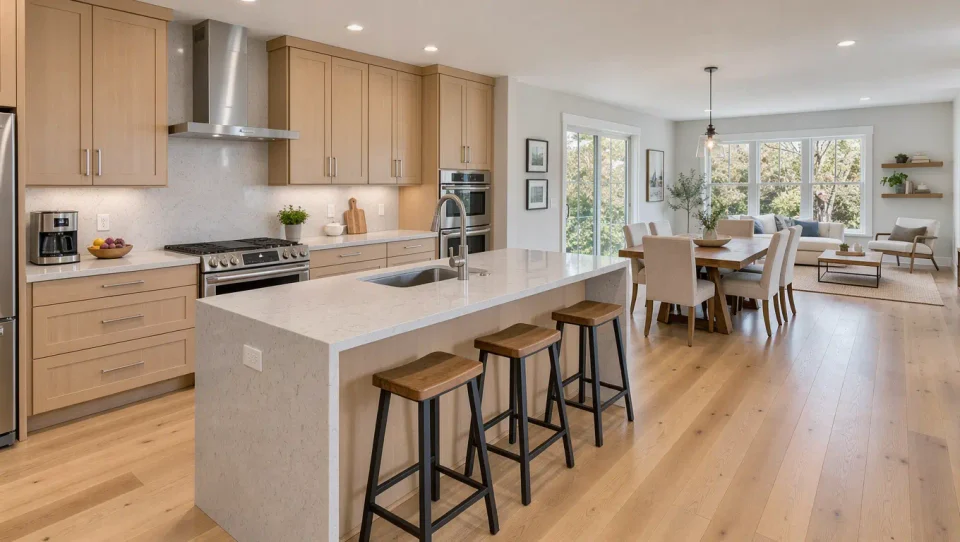
One of our past clients selling in Cambrian Park described the experience this way: the home was staged beautifully, professional photographs were taken, a listing was created, and a weekend open house was scheduled within just days of initial contact. The home received multiple offers above list price. That level of preparation and execution directly impacts what you walk away with.
Frequently Asked Questions
How long can I rent my San Jose home before losing the capital gains exclusion?
You must have owned and lived in the home as your principal residence for at least 2 of the 5 years before the sale date, per IRS Publication 523 for the 2025 tax year. Once you move out, the 5-year window keeps running. Renting beyond roughly 3 years after moving out typically means you no longer meet the use test and may lose the exclusion. Confirm your specific dates with a tax professional.
What is the maximum capital gains exclusion I can claim when selling my San Jose house?
The Section 121 exclusion allows up to $250,000 for single filers or $500,000 for married couples filing jointly, per IRS guidance for the 2025 tax year. These amounts have been stable for many years, though you should confirm with a tax advisor for your 2026 filing.
Will I owe California taxes if I sell my home after moving to another state?
You may still owe California capital gains tax on the sale depending on when you establish residency in your new state and when the sale occurs. California taxes capital gains as ordinary income at rates that can reach 13.3 percent for high earners. Consult a California tax professional for guidance specific to your situation.
What is depreciation recapture and how does it affect me?
If you rent out your San Jose home and claim depreciation deductions, any depreciation deductions you claimed are recaptured as taxable income when you eventually sell the property. Per the IRS for the 2025 tax year, depreciation recapture cannot be sheltered by the Section 121 exclusion. This is an additional tax cost on top of any capital gains you owe.
Can I use a 1031 exchange instead of selling and paying taxes?
A 1031 exchange allows you to defer capital gains taxes by reinvesting the proceeds into a like-kind investment property. However, the Section 121 primary residence exclusion and a 1031 exchange have different rules and interact in complex ways. You generally cannot use Section 121 and 1031 on the same property simultaneously without careful planning. Consult a tax advisor before pursuing this strategy.
What if I need the money from my home sale to buy my next house?
If you need the proceeds from the sale to fund your next purchase, selling is the clear answer. Holding the property as a rental while trying to qualify for a new mortgage creates financing complications and ties up the equity you need for your down payment and closing costs.
Is now the best time to sell my home in San Jose?
The best time to sell depends on your individual circumstances, but if you currently qualify for the full capital gains exclusion and you are leaving California, acting while that benefit is available often makes the most financial sense. Market timing matters less than the tax exclusion window for most departing homeowners.
What happens if I rent my San Jose house and then want to sell later?
You can still sell later, but your Section 121 exclusion may be reduced or eliminated depending on how long the property was used as a rental. Periods of nonqualified use — meaning time after 2008 when the home was not your principal residence — can reduce the amount of gain you are allowed to exclude. Depreciation recapture will also apply.
How do I determine what my home is worth in Cambrian or Willow Glen?
A professional comparative market analysis from a local agent is the most reliable way to determine your home’s current value. Broad online estimates often miss the neighborhood-level factors that drive pricing in established San Jose neighborhoods. With more than $1.3 billion in career Silicon Valley transactions, I can provide a detailed, current valuation.
Should I hire a property manager if I decide to rent out my San Jose home?
If you are moving out of state, a property manager is almost always necessary. Managing tenants, maintenance, and California landlord-tenant compliance from another state is difficult and risky. Factor the management fee — get quotes from local property managers, into your financial analysis when comparing the rent option against selling.
The Bottom Line
The sell-or-rent decision when leaving California comes down to three things: whether you need the equity now, whether you might return, and how much time remains on your capital gains exclusion clock. For most San Jose homeowners in Cambrian and Willow Glen with significant appreciation, selling while the Section 121 exclusion is available protects the largest share of your equity. Renting can work as a short-term bridge if you may come back, but only if you stay disciplined about the timeline.
This is a decision with six-figure consequences, and it deserves professional guidance on both the real estate and tax sides. If you are considering a move and want to understand exactly where you stand, I am happy to walk you through the numbers. Reach out to me, Kip Barnard, at 408-515-8277 or visit Kip and Tam at the Barnard Group. With 35 years in Silicon Valley real estate and a 5-out-of-5-star rating across 163 reviews, helping San Jose homeowners navigate exactly this kind of decision is what we do best.