What are common inspection issues when selling in San Jose?
The most frequent inspection findings in Cambrian and Willow Glen homes include foundation cracks, outdated electrical panels, dry rot, termite damage, plumbing deterioration, and roofing wear, all driven by the neighborhood’s mid-century housing stock.
Why This Matters Right Now for Cambrian Sellers
If you’re thinking about selling your Cambrian home, here’s the reality: every home inspection turns up a list of items. No home is perfect. But in a market where the median home price in Cambrian Park is $1,968,000 and homes are selling in just 9 days on average, the difference between a smooth closing and a stalled deal often comes down to how you handle what the inspector finds.
With homes in Cambrian selling for an average of 108.3% of asking price, you’re sitting in one of San Jose’s hottest submarkets. Buyers are motivated, but they’re also spending close to $2 million, and they’re going to scrutinize every detail. Understanding what inspectors commonly flag, and addressing the big-ticket items before listing, puts you in control of the narrative instead of reacting to a buyer’s repair requests two weeks before closing.
Having closed over 351 transactions across Silicon Valley, what I consistently see is that sellers who prepare for the inspection process sell faster, net more, and avoid the stress of last-minute renegotiations.
Foundation Cracks and Structural Concerns in Cambrian Ranch Homes
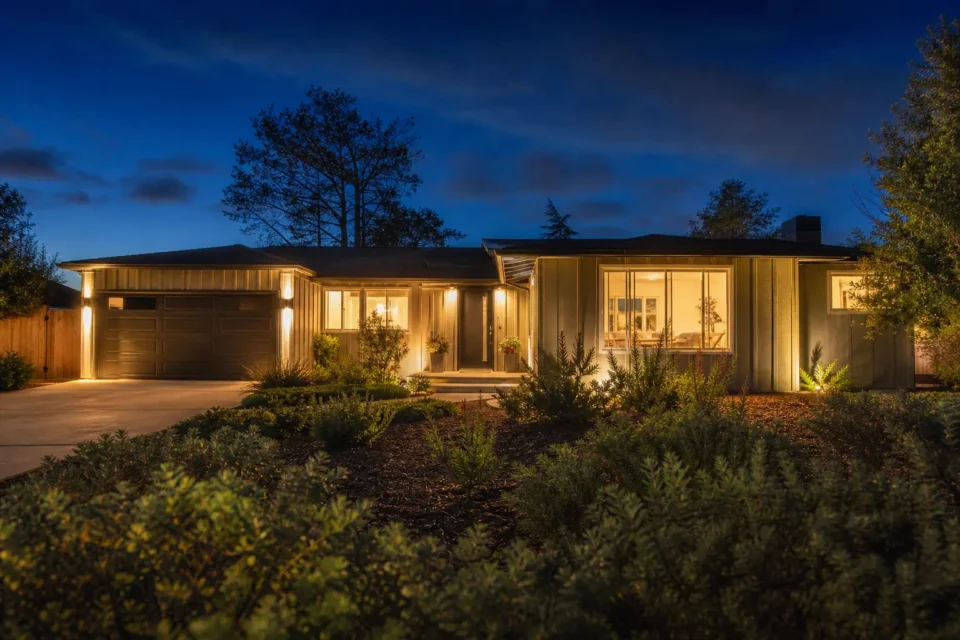
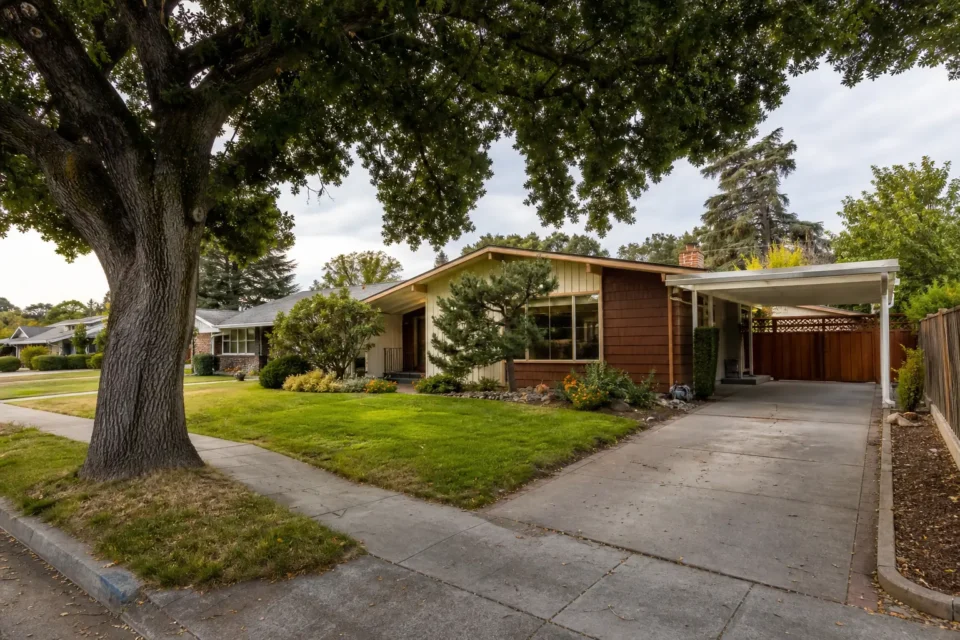
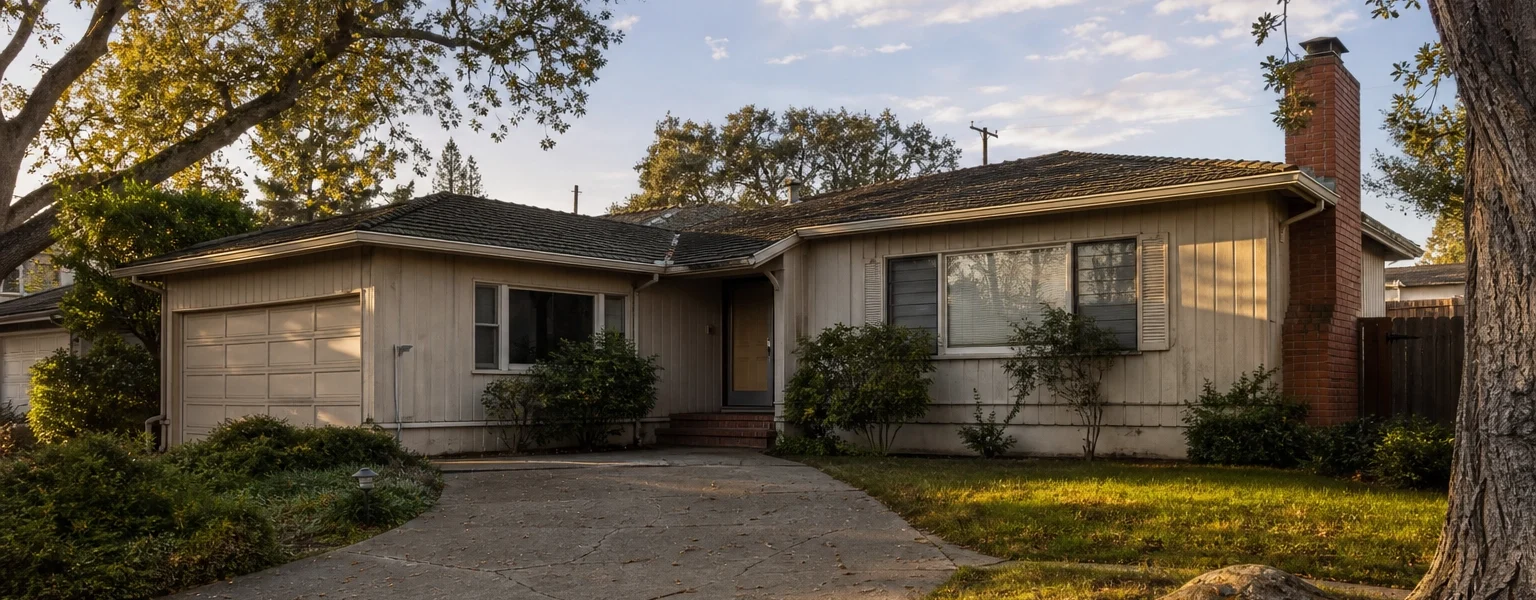
Most homes along Camden Avenue, Foxworthy Avenue, and the streets surrounding Houge Park were built between the 1940s and 1960s. That means your home’s foundation has been settling for 60 to 80 years, and inspectors know exactly where to look.
Foundation cracks are one of the most common findings in Cambrian’s ranch-style homes. Some are purely cosmetic, the result of normal settling over decades. Others signal more serious issues like drainage problems or soil movement beneath the slab. You need to know the difference before a buyer’s inspector tells you.
What should you watch for before listing? Doors that don’t close properly, uneven floors, visible cracks in the exterior stucco or interior drywall, and gaps where walls meet ceilings. These are all indicators an inspector will flag.
San Jose sits in a seismically active region, and many mid-century Cambrian homes lack modern seismic retrofitting like cripple wall bracing or foundation bolting. The City of San Jose’s Building Division maintains specific protocols around structural safety, and buyers in this price range are increasingly educated about seismic vulnerability. One couple selling their ranch home near Doerr Park assumed hairline foundation cracks were cosmetic. A pre-listing inspection revealed inadequate drainage was directing water toward the foundation, and a $3,500 grading fix turned what could have been a $15,000 negotiation into a non-issue. That’s the power of knowing what you’re dealing with before the buyer does.
Electrical Issues and Outdated Panels in Mid-Century San Jose Homes
Electrical deficiencies rank among the top concerns buyers raise during inspections in Cambrian. Your home may still have its original 100-amp electrical panel, but today’s buyers, many of them tech professionals commuting to Apple Park or Google via CA-85, expect 200-amp service to handle modern appliances, home offices, and EV chargers.
Here’s what inspectors typically flag in Cambrian homes built during the 1950s through 1970s:
- Aluminum wiring (common in 1960s and 1970s construction), which presents fire risk at connections
- Undersized electrical panels that cannot support modern electrical loads
- Lack of GFCI outlets in kitchens, bathrooms, garages, and exterior locations
- Unpermitted electrical work from decades of DIY renovations
- Missing or improperly installed outlet covers and grounding issues
The City of San Jose’s code enforcement requires that all three-prong electrical outlets be properly grounded, and if they are not, they must be replaced with two-prong or GFCI-protected outlets labeled “no equipment ground.” This is a specific code requirement that inspectors check every time.
What I tell my clients is that outdated electrical panels are one of those items buyers frequently flag as being important. Upgrading your panel before listing can cost between $2,000 and $4,000, but it removes one of the most common negotiation leverage points buyers use. With 163 five-star reviews and 35 years of experience in this market, I’ve guided hundreds of sellers through exactly this calculation.
Dry Rot, Termite Damage, and Leaks Under Cambrian Homes
If there’s one category of inspection findings that catches Cambrian sellers off guard, it’s the combination of dry rot, termite damage, and subarea moisture. These issues tend to compound each other, and in homes with raised foundations (common in older sections of Cambrian near Union Avenue and the streets approaching Willow Glen), the crawl space tells a story.
Excessive dry rot typically shows up around:
- Window frames and sills, especially on north-facing exposures
- Eaves, fascia boards, and trim where paint has failed
- Subfloor framing in crawl spaces with inadequate ventilation
- Deck attachments and exterior stairs
Termite damage frequently accompanies dry rot because the moisture conditions that cause wood decay also attract wood-destroying organisms. A Section 1 termite report (covering active infestations and damage) is standard practice in San Jose transactions, and lenders often require clearance before funding.
Leaks under the home can stem from deteriorating plumbing, poor drainage grading, or failed shower pans that have been slowly dripping for years. Your inspector will check for standing water, moisture staining on framing, and evidence of fungal growth in the crawl space.
One recent seller near Cambrian Park Plaza was surprised when their pre-listing pest inspection revealed termite damage in the garage subframe that they had never noticed. Addressing it before listing cost about $4,800, but it allowed them to provide a clean termite report to every prospective buyer. The home received multiple offers and sold for 10% above asking. That is a very different outcome than discovering the damage during a buyer’s inspection and watching your strongest offer renegotiate or walk away.
Roofing, Plumbing, and HVAC: The Big Three Systems Buyers Scrutinize
Roofing Wear and Chimney Cracks
In homes averaging 50 to 70 years old, roofing is one of the most frequently flagged inspection items. Inspectors walk the roof looking for warped shingles, worn flashings, and evidence of prior leaks. Cracked chimneys are another common finding in Cambrian, where many ranch homes still have original masonry chimneys that have shifted or cracked from decades of seismic activity and thermal cycling.
If your roof is past 20 years old, expect the inspector to note its remaining useful life. Buyers purchasing homes at $1.9 million to $2.2 million in Cambrian will factor a $15,000 to $25,000 roof replacement into their offer calculations, so consider getting a roof certification or addressing known issues before listing.
Plumbing Deterioration
Homes built before the 1970s commonly have galvanized steel pipes that corrode internally, reducing water pressure and eventually leaking. Cast iron sewer lines deteriorate over decades, and tree root intrusion is especially common in Cambrian and Willow Glen neighborhoods with mature landscaping. A sewer lateral inspection is increasingly standard in San Jose transactions.
HVAC Concerns
Many mid-century Cambrian homes were built with floor furnaces or wall heaters that no longer meet modern safety standards. Older furnaces over 20 years old, cracked heat exchangers, and aging ductwork are frequently flagged. What I tell my clients is that while HVAC issues rarely kill a deal, they do give buyers negotiation ammunition.
How Proper Disclosure and a Pre-Listing Strategy Protect Your Cambrian Sale
The best defense against inspection surprises is a strong offense. Pre-listing inspections are increasingly common in San Jose’s competitive market because they allow you to find and fix major faults before listing your property and ask top dollar.
Here’s how to prepare your San Jose home for sale with inspections in mind:
- Order a pre-listing general inspection to identify issues before buyers do
- Get a Section 1 termite report and address active infestations
- Have your sewer lateral scoped to check for root intrusion or pipe failure
- Disclose everything you know, because California’s disclosure requirements are extensive, and failing to disclose known issues creates legal liability
If you have a good agent, they can guide you through how to properly disclose and how to mitigate any items that come up. This is where experience matters enormously. Having managed over $1.3 billion in Silicon Valley residential transactions and currently serving on the Board of Directors of the Santa Clara County Association of Realtors, I can tell you that the disclosure and mitigation strategy is just as important as the repair itself. How you present findings to buyers shapes whether they see a well-maintained home or a problem property.
Frequently Asked Questions
Do all home inspections in Cambrian find problems?
Yes. Every inspection generates a list of findings. No home is perfect, whether it was built in 1955 or 2020. The key is understanding which items are cosmetic observations versus material concerns that affect safety, structural integrity, or functionality. Foundation cracks, electrical deficiencies, and termite damage are the items that move the needle in negotiations.
Should I get a pre-listing inspection before selling my Cambrian home?
Absolutely. A pre-listing inspection gives you the chance to identify and address issues on your terms, without the pressure of a buyer’s contingency deadline. It also demonstrates transparency that builds buyer confidence. In a market where Cambrian homes sell in 9 days on average, preparation is everything.
How much do foundation repairs cost in San Jose?
Costs vary widely depending on severity. Minor crack repairs and improved drainage grading can run $2,000 to $5,000. Major foundation underpinning or seismic retrofitting can cost $10,000 to $30,000 or more. A qualified structural engineer can assess whether cracks are cosmetic or structural before you commit to repairs.
Are termite reports required when selling in San Jose?
While not legally required by the state, termite reports are standard practice in virtually every San Jose transaction. Most buyers and their lenders expect a Section 1 clearance. Providing a clean report upfront strengthens your position and avoids delays during escrow.
What electrical issues do inspectors flag most often in Cambrian homes?
The most common findings include undersized electrical panels (100-amp when 200-amp is standard), aluminum wiring from 1960s and 1970s construction, missing GFCI protection in wet areas, and unpermitted electrical modifications. These are safety-related items that buyers and their agents take seriously.
Can inspection issues kill a deal in this market?
They can, but they usually don’t if handled properly. Even in a competitive market, a major undisclosed foundation issue or active termite infestation can cause a buyer to walk away or dramatically renegotiate. Transparency and proactive repairs prevent this from happening.
What is the best time to sell my home in San Jose?
February through July typically offers the strongest buyer demand and fastest sales timelines. Listing during peak season with inspection issues already addressed positions you to capture the highest possible price.
Do I need to fix everything the inspector finds?
No. You need to focus on health, safety, and structural items. Cosmetic issues like minor paint chips, sticky windows, or a slow-draining sink are observations, not deal-breakers. Your agent should help you distinguish between the two and prioritize accordingly.
How do cracked chimneys affect a Cambrian home sale?
Cracked chimneys are common in seismically active San Jose. Buyers view them as both a safety concern and a potential water intrusion point. Depending on severity, repairs can range from $1,000 for repointing mortar to $5,000 or more for significant structural repair. Addressing this before listing removes a common red flag.
What happens if the buyer’s inspection reveals something I didn’t disclose?
California disclosure law requires you to share all known material facts about your property. If something surfaces that you knew about but failed to disclose, you face potential legal liability and almost certainly a renegotiation or cancellation. This is why proper disclosure strategy, guided by an experienced agent, is critical to protecting your sale.
The Bottom Line
Selling your Cambrian home in today’s market is an incredible opportunity, with median prices near $1,968,000 and homes moving in under 10 days. But the inspection process is where unprepared sellers lose momentum, equity, or both. Foundation cracks, outdated electrical panels, dry rot, termite damage, cracked chimneys, and leaks under the home are the items that buyers consistently flag as important.
The good news: none of these are surprises if you prepare. With 35 years of experience, 351 closed transactions, and deep roots in Cambrian and Willow Glen neighborhoods, I help sellers navigate the inspection process every week. From pre-listing strategy to proper disclosure to negotiating repair credits, having the right guidance changes the outcome.
If you’re considering selling your Cambrian home and want to understand what your home is worth and how to prepare it for the market, reach out to Kip Barnard at Kip and Tam, Barnard Group. Call 408-515-8277 or visit kipandtam.com to start the conversation.