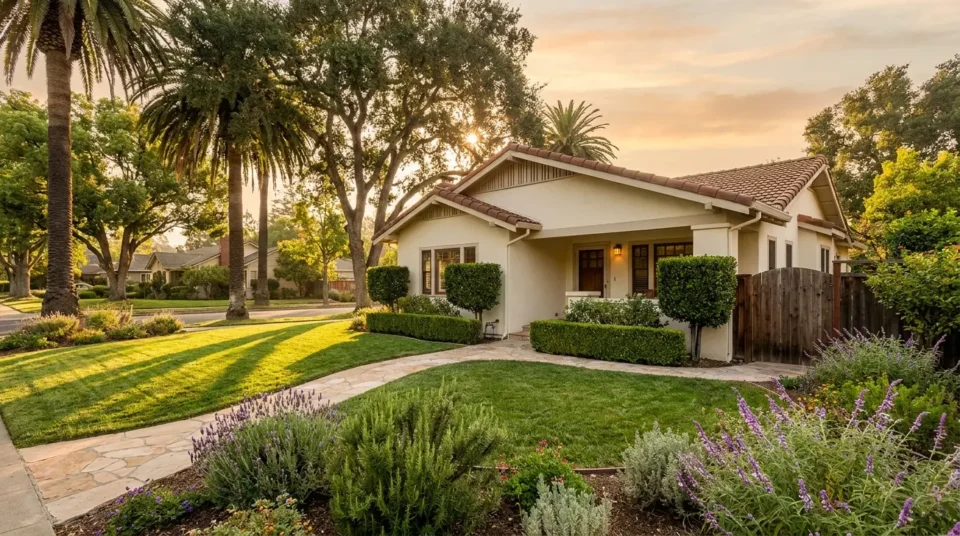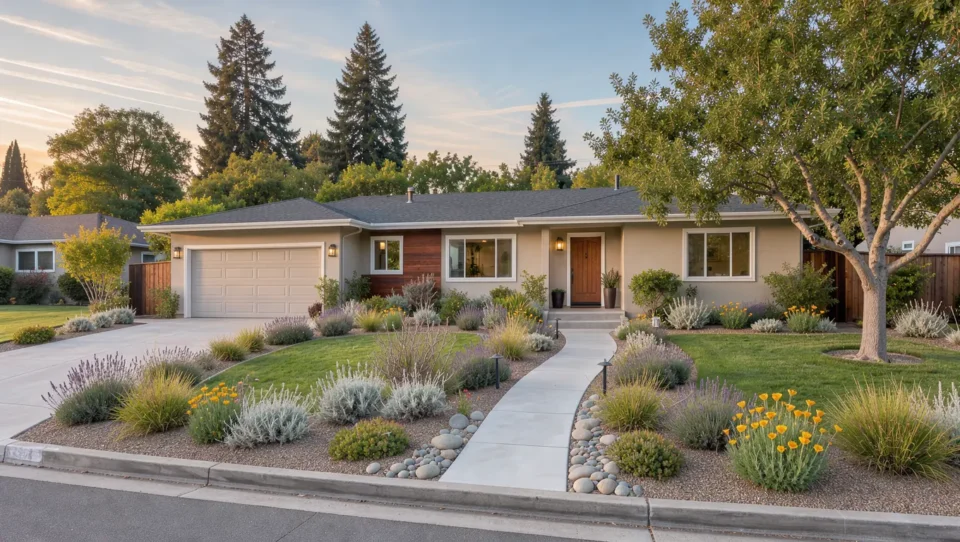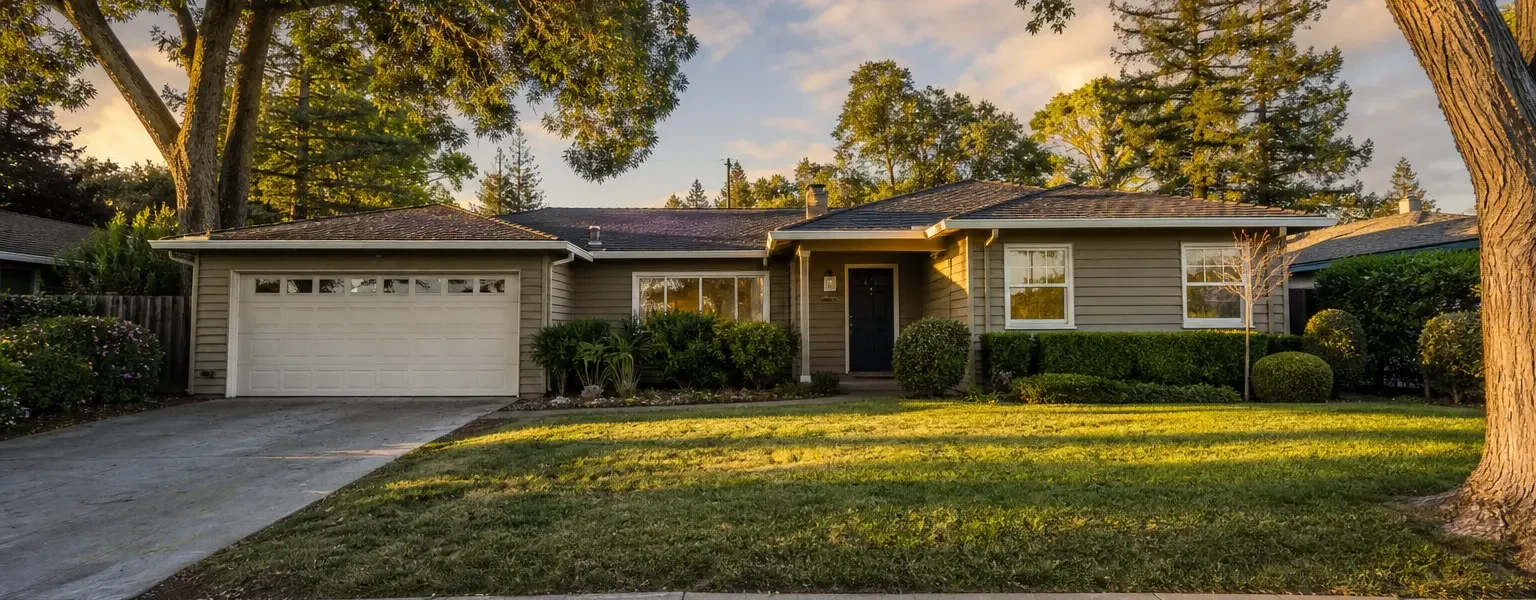
If you’ve owned your Cambrian home for decades, will you face a capital gains tax bill when you sell?
Maybe. And the longer you’ve owned your home in Cambrian, the more likely it is that you will. Federal law excludes up to $250,000 in gain for single filers or $500,000 for married couples, but decades of Silicon Valley appreciation can push your profit well beyond those limits.
Why This Question Matters for Cambrian Homeowners Right Now
If you bought your Cambrian ranch home in the 1990s or even the early 2000s, you are sitting on a level of appreciation that the federal tax code simply was not designed to handle. The $250,000 single and $500,000 married filing jointly exclusion amounts were set by Congress in 1997, per IRS Topic 701. They have never been adjusted for inflation. Not once in nearly 30 years.
Cambrian’s housing stock was built predominantly in the 1950s and 1960s, which means many of you have owned your homes for 20, 25, even 30-plus years. That length of ownership does not expand your exclusion. It only expands the size of your gain. What I tell my clients is that Cambrian is exactly the kind of high-cost Silicon Valley market where this mismatch between the exclusion and real appreciation creates a real, often surprising, tax bill. Understanding the numbers before you sell a home is not optional; it is essential.
How the Federal Capital Gains Exclusion Works in Cambrian
You qualify for the federal capital gains exclusion if you owned and used your home as your primary residence for at least 2 of the 5 years ending on your sale date, according to IRS Topic 701 (2025 publication). Meet both tests, and you can exclude up to $250,000 of gain as a single filer or $500,000 if you are married filing jointly.
Here is where Cambrian sellers run into trouble. Consider a married couple who bought in 1998 for $400,000 and sells in 2026 for $1,800,000. That is roughly $1,400,000 in gross gain before adjustments. Even with the full $500,000 married exclusion, approximately $900,000 could remain potentially taxable, depending on basis adjustments and documented improvements.
So what does that actually mean for your bottom line? It means you need to know your numbers, not guess at them, before you ever talk about a list price.
The Ownership and Use Tests
You do not need to have lived in the home continuously. The IRS requires at least 2 of the last 5 years of ownership and use. If you moved out and rented the property for a few years, you may still qualify as long as you meet the time requirement within that 5-year window. However, each situation is different, and a CPA should confirm your eligibility.
Why California Makes the Tax Bite Bigger for Cambrian Sellers
Here is something many longtime Cambrian homeowners do not realize: California does not offer a preferential capital gains rate.
That means your gain above the federal exclusion gets taxed at both the federal level and the state level. In my experience working with sellers across Cambrian, Willow Glen, and greater San Jose, this double layer catches people off guard. They plan for one tax bill and discover they are facing two.
When you combine the federal long-term capital gains rates, which vary by income level, with potential additional federal surcharges for higher earners, plus California’s ordinary income treatment, the combined rate on a large gain can be substantial. A CPA familiar with California real estate transactions can give you the precise picture for your filing status and income level.
How to Reduce Your Taxable Gain Before You Sell Your Cambrian Home
Your taxable gain is not simply the difference between what you paid and what you sell for. Your cost basis includes your original purchase price plus capital improvements you have made over the years, along with certain selling costs. This distinction can save you tens of thousands of dollars, sometimes more.
Capital Improvements That Raise Your Basis
If you remodeled your kitchen, added a bathroom, replaced the roof, installed a new HVAC system, or made structural additions to your Cambrian home, those costs add to your basis and reduce your taxable gain. According to IRS Publication 523 (2025), capital improvements that add value, prolong the home’s useful life, or adapt it to new uses qualify.
What I always recommend to sellers here in Cambrian: start gathering your documentation now, not the week before closing. Look for:
- Contractor invoices for remodeling, additions, or system replacements
- Building permits pulled with the City of San Jose or Santa Clara County
- Receipts for materials if you did work yourself
- Closing statements from your original purchase showing fees and costs
Many Cambrian homes on those 6,000 to 10,000 square foot lots near Camden and Union have been owned for decades, and improvements made along the way can add up. Every documented improvement chips away at your taxable gain.
Selling Costs That Also Count
Your real estate commissions, escrow fees, title insurance, and other closing costs also reduce your gain. These are often overlooked in early tax estimates but can represent a meaningful reduction.
Special Situations: Surviving Spouses, Trusts, and Inherited Cambrian Homes
If you have lost a spouse, this section could change your entire tax picture. California is a community property state, and a surviving spouse may be entitled to a full step-up in basis on the entire property at the date of death. What that means in practical terms is that the home’s basis could reset to its fair market value when your spouse passed, potentially reducing or even eliminating most of your taxable gain. IRS Publication 523 addresses this, but the specifics depend on how title was held and other factors that an estate attorney or CPA should review.
Homes Held in Trust
If your Cambrian home is held in a living trust, the basis rules may differ from a standard ownership scenario. Trusts have their own tax treatment, and the type of trust matters. Get this reviewed with a qualified professional before you list.
Inherited Properties
If you inherited your home rather than purchasing it, you likely received a stepped-up basis at the time of inheritance. This can dramatically change whether you owe anything at all. Again, each situation is unique, and the rules are specific enough that professional guidance is important.
With 35 years in real estate and more than 351 transactions closed, I have seen how often these special situations are misunderstood. Getting the basis right before you go to market is one of the most valuable things you can do.
Is the Law Going to Change Before You Sell Your Cambrian Home?
As of mid-2026, the exclusion limits remain $250,000 and $500,000 per IRS Topic 701. Two bills in Congress would change the law: one would double the limits and index them to inflation, and another would eliminate the tax on home sales entirely. Neither has passed.
What I tell my clients is straightforward: do not plan your sale around a bill that has not become law. If one of these bills passes, great. But you need to run your numbers under current law and make decisions based on what exists today, not what might exist tomorrow.
Timing matters more than most people think. Your income in the year of sale affects your federal rate. Your filing status affects your exclusion amount. And every documented capital improvement affects your basis. A CPA can show you how shifting your sale date by even a few months, or changing how you time the recognition of income, could move your tax liability by six figures.
Frequently Asked Questions
What is the capital gains exclusion for selling a home in Cambrian?
Federal law allows you to exclude up to $250,000 of gain if you are single, or $500,000 if you are married filing jointly, as long as you owned and lived in the home as your primary residence for at least 2 of the last 5 years, per IRS Topic 701 (2025 publication). These amounts have not changed since 1997 and are not indexed for inflation.
Does California tax capital gains differently than the federal government?
Yes. California does not have a preferential capital gains rate. According to the California Franchise Tax Board (updated 01/28/2026), all capital gains are taxed as ordinary income. This means you face both federal and state taxes on any gain above your exclusion.
How do I calculate my cost basis on my Cambrian home?
Your cost basis starts with your original purchase price and adds capital improvements, such as remodels, new roofing, HVAC, and additions. IRS Publication 523 (2025) provides worksheets for this calculation. Selling costs like commissions and escrow fees also reduce your taxable gain.
Can I avoid capital gains tax by buying another home in San Jose?
Under current law, there is no provision that allows you to defer capital gains simply by purchasing another property as your personal residence. A CPA can confirm whether any deferral options apply to your situation. A 1031 exchange is a separate provision that generally applies to investment or business properties rather than primary residences, but the rules are specific — consult a CPA or tax attorney to confirm whether it applies to your situation.
What happens to the tax exclusion if my spouse passed away?
In California, a community property state, a surviving spouse may receive a full step-up in basis on the entire property at the date of the spouse’s death. This can substantially reduce or even eliminate the taxable gain. IRS Publication 523 covers this, but you should consult a CPA or estate attorney for your specific situation.
Do I qualify for the exclusion if I rented out my Cambrian home for a while?
You may still qualify if you meet the 2-out-of-5-year ownership and use tests as described in IRS Topic 701. Periods of rental use do not automatically disqualify you. Consult a tax professional for your specific timeline.
How long do I need to live in my Cambrian home to qualify for the exclusion?
You need to have owned and used the home as your primary residence for at least 2 of the 5 years immediately preceding the sale, per IRS Topic 701 (2025 publication). The years do not need to be consecutive.
Are there any pending laws that would change the capital gains exclusion?
As of mid-2026, two bills in Congress would modify the exclusion, with one doubling the limits and indexing them to inflation and another eliminating the tax on home sales. Neither has passed. You should plan under current law and consult a CPA.
What records should I gather before selling my longtime Cambrian home?
Collect contractor invoices, building permits, receipts for capital improvements, and your original closing statement. Per IRS Publication 523 (2025), documented capital improvements add to your basis and reduce your taxable gain. The earlier you start, the more complete your records will be.
Should I talk to a CPA before listing my Cambrian home for sale?
Absolutely. For longtime Cambrian homeowners, the interplay of basis adjustments, filing status, income level, and timing can move your tax liability dramatically. A CPA who understands California real estate can help you make informed decisions about when and how to sell.
The Bottom Line
Sellers whose gains fall within the federal exclusion limits owe nothing in capital gains tax on those amounts. But Cambrian is not most markets. If you have owned your home in this southwest San Jose neighborhood for 20 or more years, your gain has very likely outgrown the exclusion that Congress set nearly three decades ago. The good news is that cost basis adjustments, proper documentation, community property rules for surviving spouses, and strategic timing can all meaningfully reduce what you owe.
Run the numbers with a CPA before you set a list price. Having managed over $1.3 billion in Silicon Valley residential transactions and earned 163 five-star reviews from past clients, I can tell you that the sellers who plan ahead are the ones who walk away with the most after tax. If you are thinking about selling your longtime Cambrian home and want to understand how to prepare, reach out to me, Kip Barnard with Kip and Tam at Compass, at 408-515-8277. Let’s get your numbers right before you go to market.