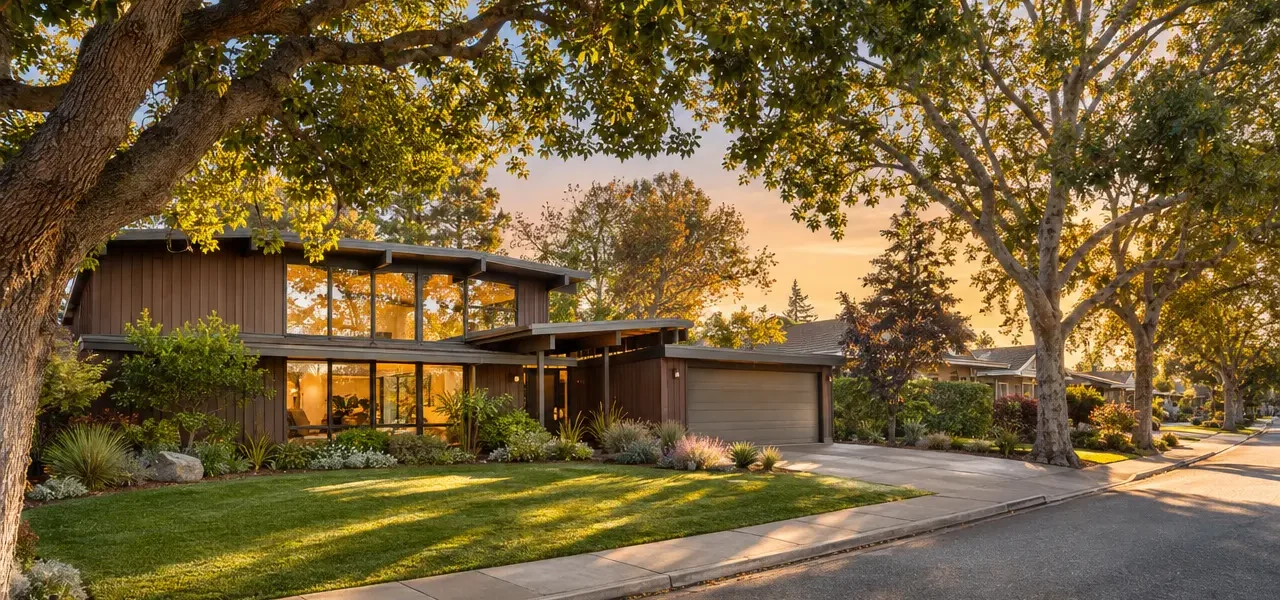
How do agents actually price a home in San Jose’s Cambrian neighborhood?
Agents price your Cambrian home by analyzing recently sold comparable properties nearby, adjusting for condition, school zone, and micro-neighborhood differences, then choosing a pricing strategy that fits current buyer demand.
Why Pricing Your Cambrian Home Correctly Matters Right Now
If you’re thinking about selling in Cambrian, the number you put on that yard sign is the single most important decision you’ll make in the entire process. Get it right, and you attract qualified buyers quickly. Get it wrong, and your home sits, accumulates days on market, and ultimately sells for less than it should have.
What I tell my clients is this: pricing a home is like being a detective. You’re gathering clues from nearby houses, not guessing. Automated online estimates try to calculate your home’s value using basic math, but they miss the neighborhood secrets that actually drive what buyers will pay. And in a place like Cambrian, where tiny differences between streets can swing value significantly, those secrets matter more than any algorithm.
So how does the process actually work? Let me walk you through what goes on behind the scenes when a skilled agent prices a home in this part of San Jose.
The Comparative Market Analysis: Your Cambrian Home’s Pricing Foundation
Every credible pricing conversation starts with a Comparative Market Analysis, commonly called a CMA. Think of it as a side-by-side lineup of recently sold homes that look like yours in size, age, condition, and location.
Here’s what goes into building one for a Cambrian home:
- Recent sales, not listings. What matters is what buyers actually paid, not what sellers hoped to get. Agents typically pull sales from the past 90 days to keep the data fresh and relevant.
- Tight geographic radius. In a neighborhood like Cambrian, comps are usually drawn from within a half-mile or even tighter. A home that sold near Leigh Avenue may not be a fair comparison for a home near the Almaden Expressway corridor.
- Like-for-like comparisons. A three-bedroom, two-bath ranch on a 6,000-square-foot lot gets compared to other three-bedroom ranches on similar lots, not to a four-bedroom two-story down the block.
What does that actually mean for you as a seller? It means your agent isn’t pulling a number out of thin air. The CMA creates a defensible price range grounded in real transactions your neighbors completed. When I build a CMA for a Cambrian seller, I want them to see the math, not just hear a number.
Why Micro-Neighborhoods in San Jose Change Everything About Your Price
Here’s something that surprises a lot of sellers: San Jose is not one market. It’s a patchwork of mini-neighborhoods, and in Cambrian neighborhoods, moving just a few streets over can make a home worth significantly more or less.
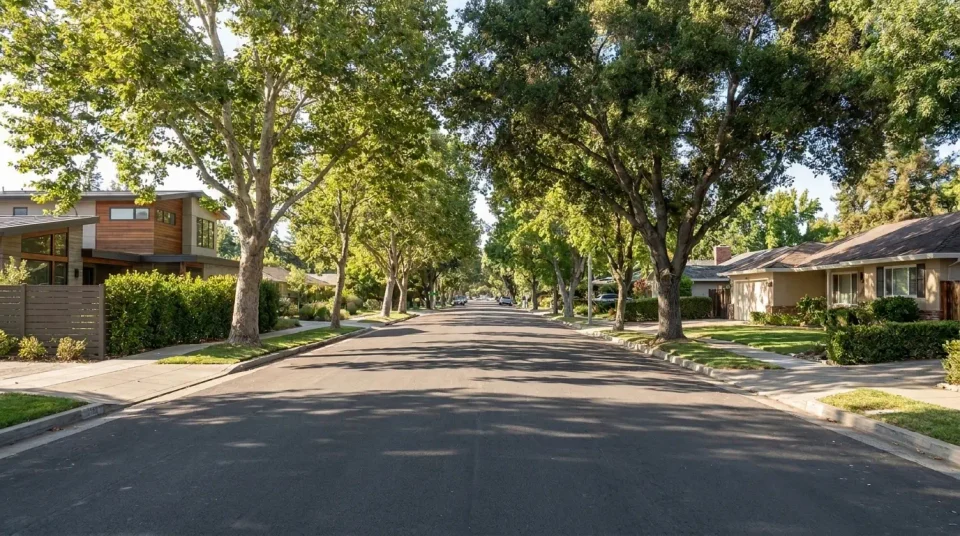
Street-Level Value Shifts in Cambrian
What creates these invisible price borders? Several factors come into play:
- Proximity to major roads. Homes backing up to a busy arterial like Camden Avenue or Hillsdale Avenue often trade at a discount compared to homes tucked into quieter interior streets.
- Lot characteristics. A corner lot with more street noise versus a mid-block lot with a larger backyard can produce a meaningful price difference between otherwise identical houses.
- Neighborhood feel. Some pockets of Cambrian have wider streets, more mature trees, and a greater sense of privacy. Buyers notice, and they pay for it.
This is exactly why automated valuation tools fall short. They process square footage and bedroom counts but can’t feel the difference between a street that’s calm at 5 p.m. and one that rattles with traffic. In my experience, these micro-neighborhood distinctions are where sellers most often disagree with what an online estimate tells them, and where the agent’s local knowledge pays for itself.
How School Zones Drive Cambrian Home Prices
If you’ve lived in Cambrian for any length of time, you already know this: school attendance boundaries are one of the most powerful pricing factors in this part of San Jose.
The Invisible Line That Moves Your Home’s Value
When an agent pulls comps for your home, they don’t just filter by ZIP code. They filter by school attendance zone. Here’s why that matters:
- A home zoned to a higher-rated elementary school will consistently show higher sold prices than an otherwise identical home one block away that feeds into a different school.
- Family buyers in this part of San Jose consistently prioritize school zones as a key filter. If your home falls on the preferred side of that boundary line, your buyer pool expands considerably.
- The CMA makes this premium visible and defensible. You can literally see the price difference between comps inside and outside a particular zone.
What I consistently see in Cambrian is that sellers sometimes underestimate how much this matters to their buyer pool. Even sellers without school-age children benefit from school-zone premiums because their buyers are often families with young kids who are willing to pay top dollar for the right attendance area. This is one of those “neighborhood secrets” that no algorithm handles well but that an experienced agent accounts for in every CMA.
Condition Adjustments: Why Not All Comps Are Created Equal
Your neighbor’s house sold for a certain price last month. Great. But does that mean your house is worth the same? Not necessarily.
How Agents Adjust for the Real Condition of Your Cambrian Home
A shiny, updated house with a remodeled kitchen and fresh landscaping is not the same product as an older home that needs work. Agents account for this by applying dollar adjustments to each comp:
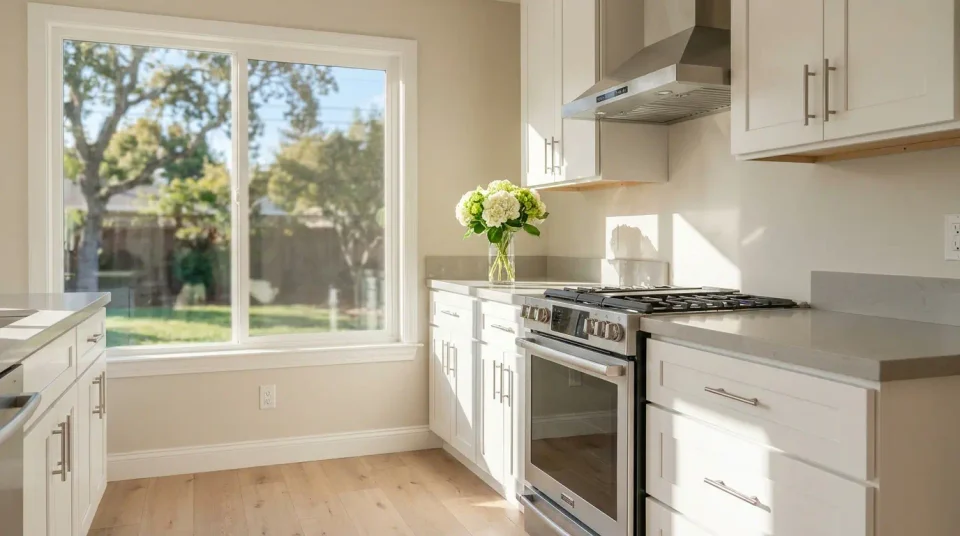
- Upward adjustments are made when your home has upgrades the comp didn’t, such as a renovated bathroom, new HVAC, or a permitted addition.
- Downward adjustments are applied when a comp was in better condition than your home, perhaps with a brand-new roof or a fully finished garage.
- The result is an adjusted price per square foot that reflects what buyers would actually pay for your specific home in its current state.
This is where the CMA becomes more art than science. Two agents can look at the same comp and disagree on the size of the condition adjustment. The agent who knows Cambrian well, who has walked through dozens of these homes and seen what upgrades buyers in this neighborhood reward, is the one who gets the adjustment right.
So what should you take away from this? If you’re planning to sell, your home’s condition relative to the competition directly affects your price. That doesn’t mean you need to gut-renovate before listing. It means your agent should show you, comp by comp, where you stand and what, if anything, is worth addressing before you go to market.
Choosing the Right Pricing Strategy for Your San Jose Home
Once your agent knows the market-supported value range from the CMA, the next decision is strategy. And this is where things get interesting.
Three Approaches Cambrian Sellers Should Understand
- At-market pricing. You list at or near the CMA midpoint. This attracts qualified buyers who are searching in your price range and typically produces offers within a few weeks. It’s straightforward and works well in a balanced market.
- Offer-date pricing (the “bidding war” approach). You list below the CMA range, set a specific date for offers, and let competitive bidding drive the final price above list. When buyer demand is strong and inventory is low, this strategy can produce results well above what at-market pricing would achieve. But it requires the right conditions. If demand isn’t there, you’ve just underpriced your home and may need to pivot.
- Ceiling pricing. Used for unique or luxury properties where comps are sparse, this means listing at the top of your range and negotiating down. It takes patience and works best when your home has features that are hard to replicate.
The key insight here is that the strategy is chosen after the CMA, not before. An agent who tells you to “just price it low and let the market decide” without first building a thorough CMA is skipping the most important step.
What I watch sellers struggle with most in Cambrian is the temptation to overprice. It feels safer to “leave room to negotiate.” But the data consistently shows that homes debuting above market value accumulate days on market, which buyers and their agents notice. A price reduction often results in a final sale price below what you would have achieved with accurate initial pricing. The goal isn’t to start high. It’s to start right.
Net Proceeds: The Number Cambrian Sellers Actually Care About
After all the CMA work and strategy discussion, there’s one more piece that closes the pricing conversation, and it’s the one that matters most to you: how much money actually lands in your bank account.
Your agent should walk you through an estimated net sheet that accounts for:
- Agent commissions (which are negotiable and vary by transaction).
- Transfer taxes applicable in Santa Clara County.
- Any seller-paid closing costs or credits.
- Your remaining mortgage payoff.
This grounds the abstract pricing discussion in real dollars. What I find is that sellers who understand their net proceeds make better decisions about pricing strategy, pre-sale improvements, and even timing. It shifts the conversation from “what should we list at?” to “what will we walk away with?” And that’s the question that actually drives your decision.
Frequently Asked Questions
What is a Comparative Market Analysis and why does it matter for my Cambrian home?
A CMA is a report your agent builds by comparing your home to similar properties that recently sold in Cambrian. It accounts for size, condition, lot, and location. The CMA creates a defensible price range based on real transactions, not estimates. It’s the foundation of every sound pricing decision, and without one, you’re guessing.
Why do automated online estimates miss the mark in San Jose neighborhoods?
Automated tools use broad data inputs like square footage and bedroom counts but can’t account for micro-neighborhood differences. In Cambrian, being on one side of a school boundary or a few blocks from a busy road changes value meaningfully. These tools process math, not context, and they miss the neighborhood secrets that actually drive buyer behavior.
How do school attendance zones affect home prices in Cambrian?
Homes zoned to higher-rated schools consistently sell for more than otherwise identical homes in a different attendance zone. Family buyers consistently prioritize school zones as a key factor, so your buyer pool grows or shrinks based on which side of the boundary you fall on. Your agent should filter comps by school zone, not just ZIP code.
What is offer-date pricing, and when does it work in San Jose?
Offer-date pricing means listing below the CMA range and setting a deadline for offers to encourage competitive bidding. It works best when buyer demand is strong and inventory is tight. If those conditions aren’t present, it can backfire. Your agent’s read on current buyer traffic in Cambrian determines whether this strategy fits.
What happens if I overprice my Cambrian home?
Overpricing causes your home to sit on the market while correctly priced homes sell around it. Accumulated days on market are noticed by buyers and their agents, and can raise questions about the property. When you eventually reduce the price, you often end up selling for less than you would have with accurate initial pricing. It’s one of the costliest mistakes a seller can make.
How do agents adjust for a home’s condition compared to comps?
Agents apply dollar adjustments to each comp based on differences in condition. If your home has a remodeled kitchen but the comp didn’t, they adjust upward. If the comp had a new roof and yours doesn’t, they adjust downward. These adjustments produce an adjusted price per square foot specific to your property.
How does my Cambrian home’s location within the neighborhood affect its price?
Even within Cambrian, value shifts based on street-level details. Proximity to busy roads, lot position, noise levels, and the character of the immediate surroundings all create price tiers. Two homes with identical floor plans can have meaningfully different values based on where they sit within the neighborhood.
What is a net sheet, and why should I ask for one before listing?
A net sheet estimates what you’ll actually take home after commissions, transfer taxes, closing costs, and your mortgage payoff. It converts the list price discussion into the number that matters: your proceeds. Seeing this early helps you make better decisions about pricing strategy and pre-sale improvements.
How far back do agents look when pulling comparable sales in San Jose?
Agents typically look at sales from the past 90 days to ensure the data reflects current market conditions. In a fast-moving market, they may tighten that window. Older sales may still be referenced for context, but recent transactions carry the most weight in establishing your price range.
Should I make renovations before selling my home in Cambrian?
It depends on your home’s condition relative to the competition. Your agent should show you, through the CMA, where your home stands compared to recent sales. Some updates, like fresh paint or minor kitchen improvements, can deliver a strong return. Major renovations are rarely necessary, but targeted improvements can shift your pricing tier.
The Bottom Line
Pricing your Cambrian home correctly isn’t about plugging numbers into a formula. It’s about understanding the micro-neighborhood dynamics, school-zone premiums, and condition differences that drive what buyers actually pay in this part of San Jose. The right agent builds a thorough CMA, shows you the math, advises on the strategy that fits current conditions, and grounds the whole conversation in what you’ll actually walk away with.
If you’re considering selling in Cambrian or Willow Glen and want to know what your home is worth based on real data rather than an algorithm, I’d welcome that conversation. I’m Kip Barnard, Broker Associate at Compass, and you can reach me at 408-515-8277 or through kipandtam.com. With 351 or more closed transactions and 163+ five-star reviews across Zillow, Google, FastExpert, and Yelp, I bring the kind of local insight that makes the difference between a good outcome and a great one. Feel free to check out client testimonials or learn more about my team.