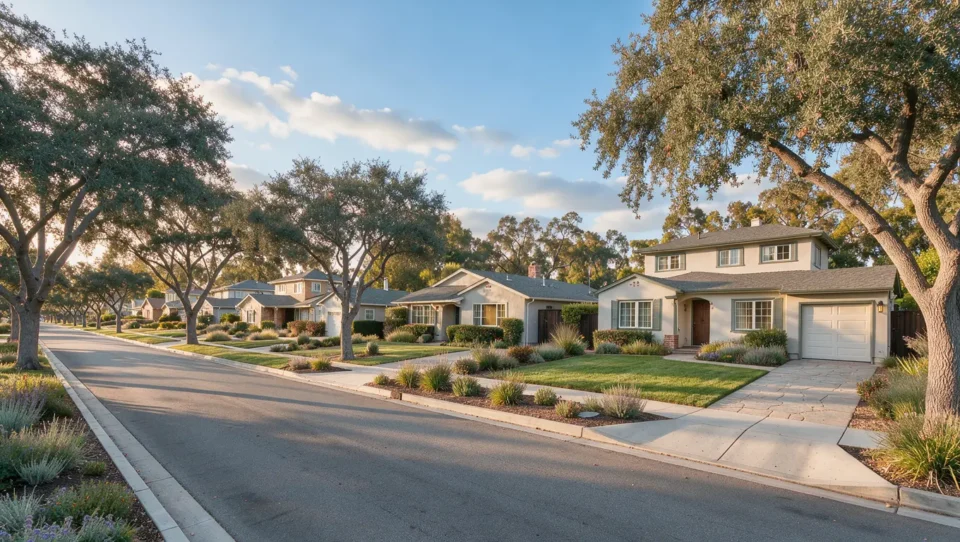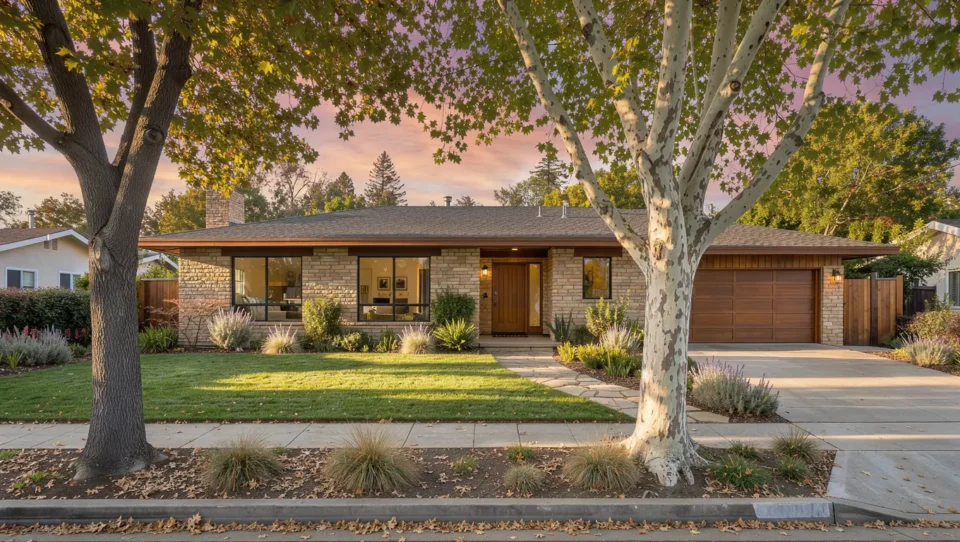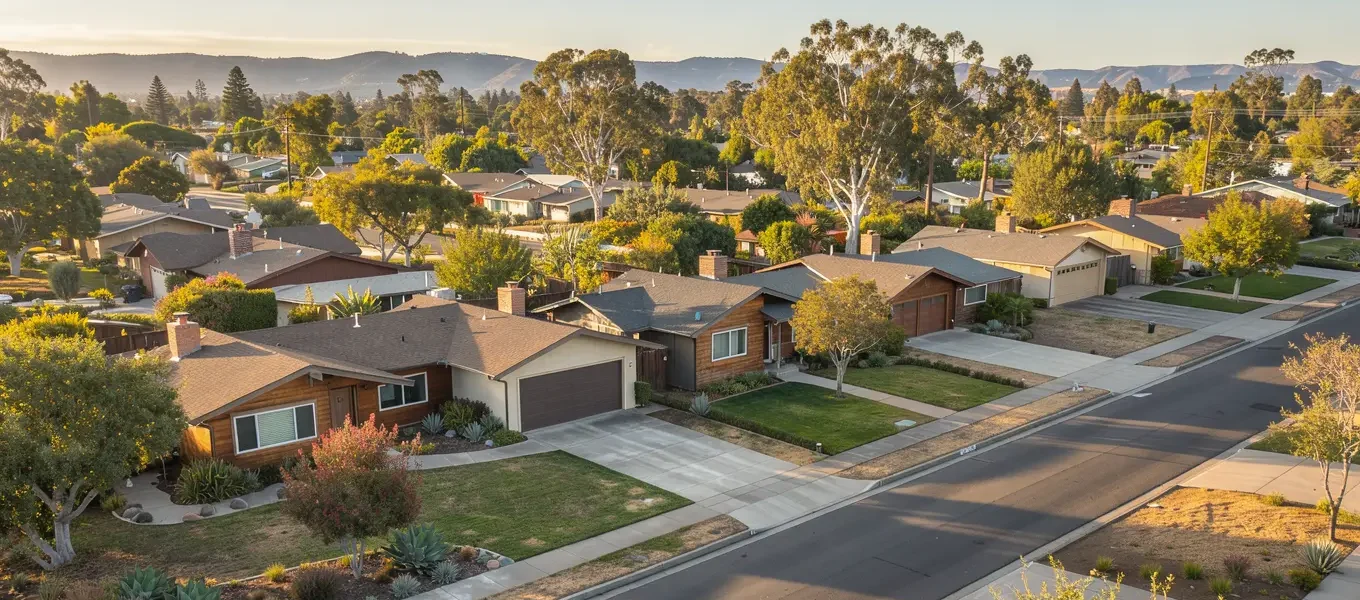
What net proceeds can I realistically expect after selling my Willow Glen home in 2026 once commissions, taxes, and closing costs are factored in?
Your net proceeds depend on your sale price minus six main cost categories: mortgage payoff, commissions, escrow and title fees, transfer taxes, repair credits, and capital gains taxes. Most Cambrian and Willow Glen sellers keep a substantial portion of their equity, but the exact number requires a personalized net sheet.
Why This Matters Right Now for Cambrian and Willow Glen Sellers
If you have owned your home in Cambrian or Willow Glen for a decade or more, you are likely sitting on significant equity. That is the good news. The part that catches many sellers off guard is how many line items come off the top before the remaining proceeds hit your bank account.
In 2026, the landscape has shifted in important ways. Commission structures have changed following the NAR settlement that took effect in August 2024, meaning how you negotiate compensation looks different than it did just a few years ago. California’s capital gains tax treatment can take a material bite out of your profit, especially if you bought at a fraction of today’s values. And local transfer taxes in San Jose add another layer that many sellers forget to budget for.
With 35 years of experience and over 351 closed transactions, what I tell my clients is this: a realistic net proceeds estimate is not a luxury; it is the first step in any smart selling decision. You deserve to know your number before you sign a listing agreement, not after.
The Six Cost Categories That Determine Your Cambrian Net Proceeds
Think of your net proceeds as a waterfall. Your sale price sits at the top, and each cost category reduces the stream before it reaches you. Here is what comes off, in the order most sellers encounter them.
Your Mortgage Payoff Balance
This is the most straightforward deduction. Whatever you still owe on your mortgage (including any HELOCs or second liens) gets paid through escrow at closing. If you have owned your Cambrian home for 15 or 20 years, your remaining balance may be modest relative to today’s values. Your lender will provide a payoff demand statement during escrow that shows the exact amount, including per-diem interest through the expected close date.
Real Estate Commissions
Following the NAR settlement that took effect August 2024, the way commissions are structured has changed. Buyer’s agent compensation is no longer automatically bundled into the listing agreement at a set rate. You negotiate the listing side and the buyer side separately.
What does that mean for your wallet? It means you should ask your agent for a written net sheet that spells out the exact commission structure before you sign anything. Commission rates in 2026 vary by transaction and by agent, so there is no single “standard” number to quote here. What I consistently see is that sellers who understand the breakdown upfront feel more confident throughout the process.
Escrow, Title, and Lender Fees
These are the administrative costs of transferring ownership. They typically include escrow fees, title insurance (the seller generally pays the owner’s title policy in Santa Clara County), notary fees, and any document preparation charges. Your escrow officer will itemize every dollar on your estimated closing statement well before you sign final papers.
Transfer Taxes in San Jose
Santa Clara County charges a documentary transfer tax on the sale of real property. San Jose also has its own Measure E transfer tax that applies above a certain property value threshold. These are real, meaningful line items that your escrow officer can confirm for you. I always recommend verifying the current rates with the Santa Clara County Recorder’s office and the City of San Jose’s finance department, because the thresholds and rates can shift.
Repair Credits and Buyer Negotiations
Depending on the condition of your home and the inspection results, you may negotiate credits to the buyer or handle certain repairs before closing. In Cambrian and Willow Glen, where many homes were built in the 1950s and 1960s, common items include roof condition, older plumbing, and foundation work. The amount varies widely, and strong pre-sale preparation can minimize surprises here.
Capital Gains Taxes (Federal and California)
This is often the biggest wildcard for long-term Cambrian homeowners, and it deserves its own detailed section below.
How Capital Gains Taxes Affect Your Willow Glen Sale in 2026
If you bought your home in Cambrian or Willow Glen decades ago, your purchase price (your “cost basis”) may be a fraction of what your home is worth today. That difference is your capital gain, and both the federal government and California want their share.
The Federal Exclusion
Under federal law (IRC Section 121), if you have owned and used the home as your primary residence for at least two of the last five years, you may exclude up to $250,000 of gain as a single filer or up to $500,000 as a married couple filing jointly.
California State Tax on the Gain
Here is what surprises many of my clients: California generally conforms to the federal Section 121 exclusion for state income tax purposes, so the same primary-residence exclusion may apply. However, any gain above the exclusion amount is taxed as ordinary income at your marginal rate, which varies based on your total income and filing status. This is a material cost that many Willow Glen and Cambrian sellers overlook until tax time.
What I recommend is this: talk to a CPA before you list. The applicable rate depends on your total income for the year, your filing status, and other factors that are unique to your situation. A tax professional can model the impact and help you plan.
Building Your Personalized Cambrian Net Sheet
So how do you actually calculate your number? You start with a net sheet, which is a simple worksheet your agent should provide before you commit to selling. Here is the framework.
- Estimated sale price (based on a comparative market analysis of recent Cambrian and Willow Glen sales)
- Minus mortgage payoff (request a payoff statement from your lender)
- Minus commissions (as negotiated with your agent, shown in writing)
- Minus escrow and title fees (your escrow officer will estimate these)
- Minus transfer taxes (county and city, confirmed by your escrow officer)
- Minus any repair credits (estimated based on pre-sale inspection findings)
- Minus estimated capital gains taxes (calculated with your CPA)
- Equals your estimated net proceeds
Having closed over 351 transactions and managed more than $1.3 billion in Silicon Valley residential sales, I can tell you that the sellers who feel most confident are the ones who see this waterfall mapped out before the first open house. No surprises, no guesswork. That kind of confidence starts with knowing your numbers upfront so you can make informed decisions about pricing, timing, and negotiation.
What Proposition 13 Means for Your Sale (and Your Buyer’s Offer)
You may be wondering where property taxes fit into this picture. Under California’s Proposition 13, your home’s assessed value has been capped at no more than 2% annual growth since your acquisition date, according to California’s property tax guide. The statewide base property tax rate is 1% of assessed value, according to California’s property tax information, with additional local bond levies on top.
Here is the important distinction: property tax reassessment is the buyer’s cost, not yours. When your Cambrian home sells, the new owner’s assessed value resets to the purchase price. At the 1% base rate alone, a home selling for $1,500,000 would generate a base property tax of $15,000 per year for the buyer, plus local bond levies. Santa Clara County’s effective rate may differ from the 1% base rate; you can verify the precise current rate for your property through the Santa Clara County Assessor’s office.
Why does this matter to you as the seller? Because savvy buyers factor their future property tax bill into their offer. Understanding this dynamic helps you anticipate how buyers will evaluate your asking price, especially at price points near certain thresholds.
Timing and Pre-Sale Strategy for San Jose Sellers
Knowing how to sell a home in San Jose is just as important as understanding the cost side. The best time to sell your home in San Jose depends on your personal timeline, but preparation can meaningfully affect your net proceeds.
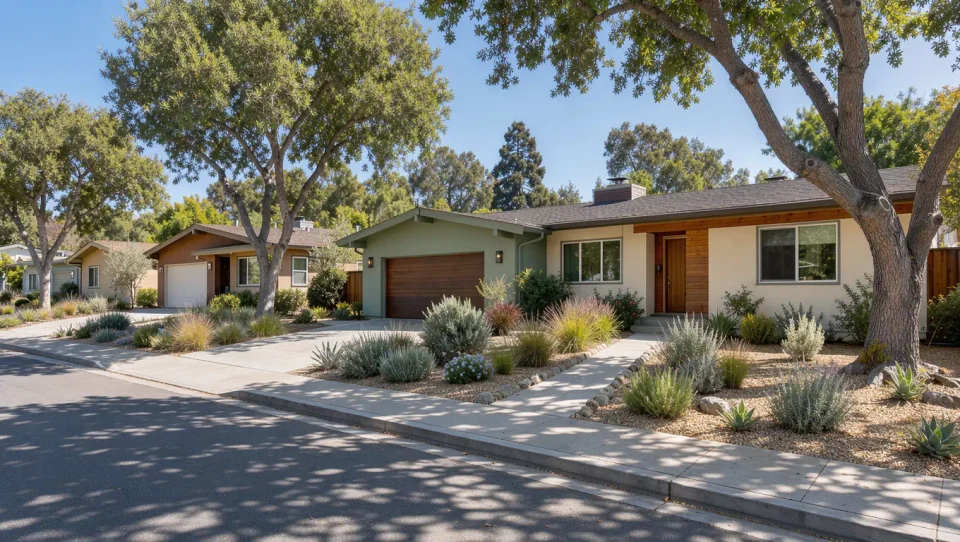
In Cambrian and Willow Glen, where the housing stock includes many mid-century single-family homes, pre-sale preparation, staging, and strategic pricing can make the difference between a single offer and multiple competing bids. Homes that are properly prepared tend to sell faster and at stronger prices, which directly improves your bottom line.
With 163 five-star reviews and recognition as a RealTrends verified top 1.5% real estate professional in the country, what I focus on with every seller is a customized pre-sale plan. That means identifying which improvements generate a return and which ones are not worth the investment for your specific home and neighborhood.
Frequently Asked Questions
How do I find out what my home is worth in Cambrian before I sell?
You start with a comparative market analysis, which examines recent sales of similar homes in Cambrian and Willow Glen. Your agent should pull data from the local MLS and walk you through how each comparable sale relates to your property. This gives you the top number on your net sheet and is the foundation for every calculation that follows.
Are real estate commissions negotiable in San Jose in 2026?
Yes. Following the NAR settlement effective August 2024, commission structures are negotiated between you and your agent. The listing side and the buyer side are addressed separately. Ask for a written breakdown of exactly what you will pay and to whom before signing your listing agreement.
Will I owe federal capital gains tax when I sell my Cambrian home?
If you have owned and lived in the home as your primary residence for at least two of the last five years, you may exclude up to $250,000 of gain (single) or $500,000 (married filing jointly) under IRC Section 121. Gains above the exclusion amount are taxable at federal capital gains rates. Consult a CPA for your specific situation.
Does California tax my home sale differently than the federal government?
California generally conforms to the federal Section 121 exclusion, so the same primary-residence exclusion may apply at the state level. However, any gain above the exclusion amount is taxed as ordinary income at your marginal rate, which can vary depending on your total income and filing status. Consulting a tax professional before listing is strongly advisable.
What are transfer taxes in San Jose, and who pays them?
Santa Clara County charges a documentary transfer tax, and the City of San Jose has its own Measure E transfer tax above a certain property value threshold. Payment responsibility can vary by transaction, though sellers typically bear these costs; your escrow officer can confirm the current rates and calculate the exact amount for your sale price.
How much will escrow and title fees cost when I sell in Willow Glen?
Escrow and title fees vary based on the sale price and the specific services required. In Santa Clara County, the seller generally pays for the owner’s title insurance policy. Your escrow officer will provide an itemized estimate early in the process so you can factor it into your net sheet.
Can pre-sale repairs reduce my net proceeds?
They can, but strategic repairs and preparation often generate a net positive return by increasing your sale price or attracting multiple offers. The key is identifying which improvements matter for your specific Cambrian home and which ones buyers in this neighborhood value most.
What is a net sheet, and when should I ask for one?
A net sheet is a worksheet that shows your estimated sale price minus every cost category, resulting in your projected net proceeds. You should request one from your agent before you sign a listing agreement. It is the single most important planning tool for any home sale.
How does Proposition 13 affect me as a seller in Cambrian?
As a seller, Proposition 13 has kept your assessed value (and therefore your property tax bill) capped at no more than 2% annual growth during your ownership. The reassessment to current market value happens to the buyer, not to you. However, if you are buying another California home, you may want to explore Proposition 19 base-year transfer rules with your tax advisor.
Is there a best time of year to sell my home in San Jose?
Seasonal trends in San Jose’s market vary by year and neighborhood, but timing depends on your personal circumstances, your home’s condition, and current market dynamics. Your real estate team should analyze seasonal trends specific to Cambrian and Willow Glen when recommending a listing timeline.
The Bottom Line
Selling your Cambrian or Willow Glen home in 2026 can put substantial proceeds in your pocket, but the only way to know your real number is to build a detailed net sheet before you go to market. Commissions, escrow fees, transfer taxes, and especially California’s capital gains treatment all take their share. The sellers who come out ahead are the ones who plan for every line item, work with a CPA on the tax side, and partner with an agent who provides full transparency from day one.
If you want a personalized net proceeds estimate for your Cambrian or Willow Glen home, I am happy to walk you through it. You can reach me, Kip Barnard with the Barnard Group at Compass, at 408-515-8277. With 35 years of experience and more than 351 closed transactions across Silicon Valley, I will make sure you understand exactly what to expect before you make a single decision.