What disclosures are required when selling a home in California?
California sellers of residential one-to-four unit properties must disclose all known material facts, including property defects, hazard zone status, deaths within three years, and lead paint for pre-1978 homes, through a series of mandatory forms anchored by the Transfer Disclosure Statement.
Why San Jose Sellers Need to Understand Disclosure Laws Right Now
If you’re thinking about selling your home in Cambrian, Willow Glen, or anywhere else in San Jose, disclosure requirements should be near the top of your preparation list. California has some of the most comprehensive real estate disclosure laws in the country, and the list has gotten longer, not shorter.
Two brand-new disclosure obligations took effect on January 1, 2026, under Civil Code sections 1102.6i and 1102.6j. If the last time you sold a home was even a few years ago, the paperwork you remember has changed. What I tell my clients is this: the disclosure process is not something to fear, but it is something to take seriously. Getting it right protects you legally, keeps your deal on track, and builds buyer confidence in your property.
With 35 years of experience and over 351 closed transactions, I’ve seen how disclosure issues can stall or even kill deals in our neighborhoods. Let me walk you through what you actually need to know.
The Transfer Disclosure Statement: Your Foundation Document in San Jose
The Real Estate Transfer Disclosure Statement, known as the TDS, is the cornerstone of every residential sale in California. Mandated under California Civil Code section 1102, this is the document you fill out directly as the seller. Think of it as your comprehensive “here’s what I know about this house” form.

What the TDS Covers
You’ll need to address several categories of property information:
- Appliances and systems: Every appliance, heating and cooling unit, electrical panel, plumbing system, security feature, and pool or spa, noting whether each is operational or defective.
- Structural conditions: Known issues with the foundation, roof, walls, windows, floors, ceilings, and driveways.
- Physical and environmental concerns: Drainage problems, soil slippage, past settling, flooding history, pest damage, and environmental hazards such as asbestos, radon, or mold.
- Legal and boundary matters: Unpermitted alterations, room additions without permits, building code violations, shared fences or driveways, easements, boundary encroachments, and any pending neighborhood disputes or lawsuits.
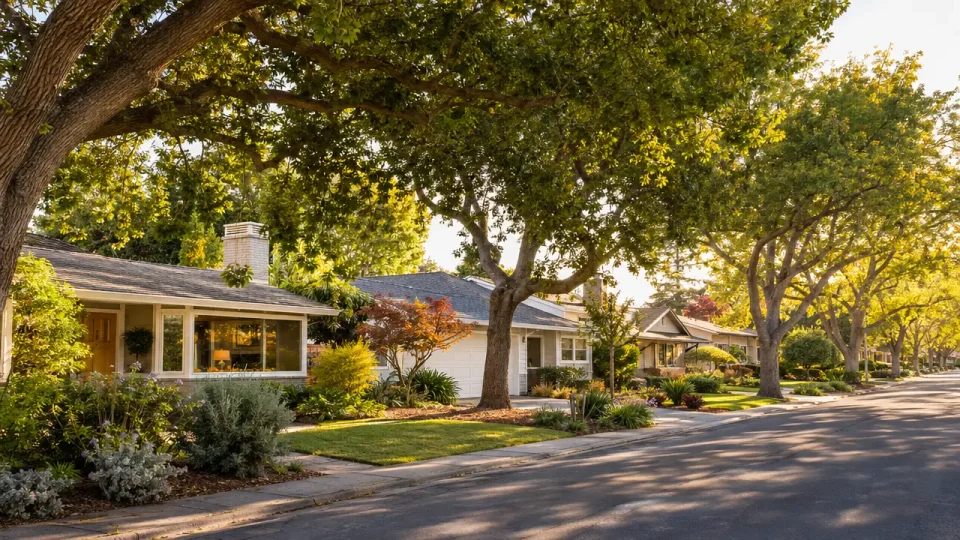
Many homes in Cambrian and Willow Glen were built in the 1950s through 1970s. If your home falls into that era, you likely have more to disclose simply because of the property’s age and the renovations that may have occurred over the decades. Were additions built with permits? Were electrical panels upgraded? These are the kinds of details the TDS requires you to address honestly.
Here’s something that surprises many sellers: selling your home “as-is” does not exempt you from completing the TDS. This point was confirmed in the 1993 case of Loughrin v. Superior Court, according to California legislative records. Your pricing strategy is separate from your statutory disclosure duties.
Natural Hazard and Fire Disclosures for Cambrian and Willow Glen Properties
Natural Hazard Disclosure (NHD) Statement
Under California Civil Code section 1103, you must disclose whether your property falls within any of six state-designated hazard zones:
- Special Flood Hazard Areas (FEMA 100-year flood zone)
- Dam Inundation or Potential Flooding Areas
- Very High Fire Hazard Severity Zones
- Wildland or State Responsibility Areas
- Earthquake Fault Zones (under the Alquist-Priolo Earthquake Fault Zoning Act)
- Seismic Hazard Zones (liquefaction and landslide risk)
In practice, most sellers fulfill this obligation by ordering an official third-party NHD report. San Jose sits in a seismically active region, so earthquake fault zone and seismic hazard zone designations are worth checking carefully in your NHD report.
Fire Hardening Disclosure
If your home is located in a high or very high fire hazard severity zone and was built before January 1, 2010, you have additional obligations under Civil Code section 1102.6f. You need to disclose vulnerable building features like single-pane windows, untreated wood shingles, or unenclosed eaves. As of July 1, 2025, per California legislative records, the Fire Hardening Disclosure must also include a list of low-cost retrofits and specific features that may make the home vulnerable to wildfire and flying embers.
Not every home in Cambrian or Willow Glen falls in a designated fire zone, but if yours does, this is a disclosure you cannot skip.
Situational Disclosures That Catch San Jose Sellers Off Guard
Beyond the TDS and hazard reports, California law requires several standalone disclosures that many sellers don’t know about until they’re deep in the listing process. In my experience, these are the ones that most often catch people by surprise.
Death on the Property
Under Civil Code section 1710.2, if a death occurred on the property within the past three years before the buyer’s offer, you must disclose it, per California legislative records. Deaths that occurred more than three years prior do not require proactive disclosure, but you cannot lie if a buyer asks you directly. One important protection: you are never required to disclose that an occupant was living with HIV or died from AIDS-related complications.
Lead-Based Paint
If your San Jose home was built before 1978, federal law requires you to provide a lead-based paint disclosure. Given that a large share of homes in the Cambrian and Willow Glen neighborhoods were constructed in the 1950s through 1970s, this disclosure applies to many local sellers.
Water-Conserving Plumbing Fixtures
Under Civil Code section 1102.155, you must disclose in writing that California law requires single-family residences to be equipped with water-conserving plumbing fixtures. If your fixtures have not been updated, this is something to note.
Military Ordnance
If you have actual knowledge of former federal or state ordnance locations within the neighborhood area, Civil Code section 1102.15 requires you to give written notice as soon as practicable before transfer of title.
Water Heater and Safety Equipment
California law also addresses water heater bracing and smoke and carbon monoxide detector requirements; an experienced real estate attorney or your agent can confirm which written certifications apply to your specific transaction.
Property Tax, HOA, and New 2026 Disclosure Requirements in San Jose
Supplemental Property Tax Notice
This one is easy to overlook but legally required. Under Civil Code section 1102.6c, you must deliver a written notice titled “Notice of Your Supplemental Property Tax Bill,” formatted in at least 14-point type or a contrasting color. The notice explains that the county assessor will revalue the property upon transfer and that the buyer may receive one or two supplemental tax bills that will not be mailed to the lender and therefore will not be paid through an impound account.
Mello-Roos and Special Assessments
If your property is subject to special assessments such as Mello-Roos or 1915 Bond Act obligations, buyers generally expect to be informed of these costs before closing; your agent and a real estate attorney can confirm the specific disclosure requirements that apply. Buyers deserve to know about any special assessments before closing.
HOA Disclosures
Condominiums, townhomes, and planned communities exist throughout Cambrian and Willow Glen.
Brand-New for 2026
Two new disclosure requirements took effect January 1, 2026, per California legislative records. Civil Code section 1102.6i added a new obligation to the residential transfer disclosure article. Civil Code section 1102.6j now requires single-family sellers to disclose in writing the existence of any state or local requirements or restrictions relating to the future replacement of property systems, such as heating equipment or water heaters that may be subject to future electrification or efficiency mandates.
What I see with sellers here in San Jose is that most have no idea these 2026 additions exist. If you’re preparing your home for sale, this is exactly why working with an experienced agent matters.
Timing, Cancellation Rights, and Protecting Your San Jose Sale
California purchase agreements set a deadline for disclosure delivery that is negotiated at the time of contract; your agent can confirm the specific window that applies to your transaction. But what happens if you deliver a disclosure late or need to amend one?
By law, under Civil Code section 1102.3, a late or amended TDS triggers a statutory cancellation right for the buyer:
- 3 days to rescind if delivered in person.
- 5 days to rescind if delivered by mail or, where the parties have agreed to conduct the transaction electronically, by electronic transmission.
These timelines are drawn from current California statute, per California Legislative Information. Missing these deadlines or failing to deliver a required form can give a buyer legal grounds to walk away; an experienced real estate attorney can advise on what options may be available if a deadline is missed.
Having closed over 351 transactions with a 5 out of 5 star average across 163 reviews, one thing I always recommend is this: get your disclosures done early, thoroughly, and with professional guidance. In competitive neighborhoods like Cambrian and Willow Glen, a clean disclosure package signals confidence and can actually strengthen your negotiating position.
As one of our past Cambrian Park sellers shared: “From the initial contact to the listing of our home, only several days had passed. Kip handled a few minor hiccups very calmly and professionally. We closed on time, as promised, and could not be happier with the end result.”
That kind of smooth transaction starts with proper disclosures from day one.
Frequently Asked Questions
Can I sell my San Jose home “as-is” and skip disclosures?
No. California law explicitly states that the delivery of the TDS may not be waived in an “as-is” sale, as confirmed in Loughrin v. Superior Court (1993) and codified in Civil Code section 1102. Your obligation to disclose all known material facts exists regardless of your pricing strategy or whether you offer repair credits.
What is the Transfer Disclosure Statement and do I need it in Cambrian?
The TDS is the foundational seller disclosure form required under Civil Code section 1102 for all residential one-to-four unit property sales in California, including every home in Cambrian and Willow Glen. You fill it out personally, covering systems, structural conditions, environmental issues, and legal matters.
How long does a buyer have to cancel after receiving a late disclosure?
If you deliver a disclosure or material amendment after the buyer has already signed the offer, the buyer gets 3 days to cancel if delivered in person, or 5 days if delivered by mail or, where the parties have agreed to conduct the transaction electronically, by electronic transmission, per Civil Code section 1102.3.
Do I need to disclose a death that occurred in my San Jose home?
You must disclose any death that occurred on the property within 3 years before the buyer’s offer, per Civil Code section 1710.2. Beyond that window, you do not need to volunteer the information, but you may not make an intentional misrepresentation if asked directly.
Is lead paint disclosure required for homes in Willow Glen?
Yes, for any home built before 1978. This is a federal requirement. Since many Willow Glen and Cambrian homes date to the 1950s through 1970s, the lead-based paint disclosure is relevant for a large portion of sellers in these neighborhoods.
What are the new 2026 California disclosure requirements?
Two new requirements took effect January 1, 2026. Civil Code section 1102.6i added a new disclosure to the transfer disclosure article, and section 1102.6j requires single-family sellers to disclose state or local restrictions on future replacement of property systems, per California legislative records.
Do I need a Natural Hazard Disclosure in San Jose?
Yes. Under Civil Code section 1103, sellers must disclose whether the property is in any of six state-designated hazard zones. Most San Jose sellers fulfill this by ordering a third-party NHD report, which checks for flood, fire, earthquake, and landslide risk zones.
What fire-related disclosures apply to my San Jose home?
If your home is in a high or very high fire hazard severity zone and was built before January 1, 2010, the Fire Hardening Disclosure under Civil Code section 1102.6f is required. Since July 1, 2025, this form must also include a list of low-cost fire-hardening retrofits.
What if my home has an HOA in Cambrian or Willow Glen?
You must provide the buyer with CC&Rs, bylaws, financial statements, reserve studies, assessment amounts, and any notices of pending litigation. These are separate from the TDS and have their own delivery timeline. Condos and townhomes in both neighborhoods commonly trigger this requirement.
What happens if I fail to disclose something I knew about?
You may face legal liability for nondisclosure of known material facts. Buyers who discover undisclosed defects after closing can pursue legal remedies. This is why I always advise sellers to err on the side of over-disclosing rather than under-disclosing. A thorough, honest disclosure package protects you far more than silence ever could.
The Bottom Line
Selling your home in San Jose, whether in Cambrian, Willow Glen, or the surrounding area, means navigating one of the most detailed disclosure frameworks in the country. From the foundational TDS to the brand-new 2026 requirements under Civil Code sections 1102.6i and 1102.6j, each form serves a specific legal purpose, and each one protects you as much as it protects the buyer.
The best approach is simple: disclose everything you know, do it early, and work with a professional who has been through this process hundreds of times. As a Broker Associate with 35 years in the business and over 351 closed transactions across Silicon Valley, I’ve guided Cambrian and Willow Glen sellers through every disclosure scenario you can imagine. If you’re wondering what your home is worth or how to prepare your San Jose home for sale with a clean, complete disclosure package, reach out to our team at Kip and Tam with the Barnard Group at 408-515-8277. Let’s make sure your sale is buttoned up from the start.