
Recent Blog Post
Selling Your San Jose Home? Do This First (Most People Skip It)
Recent Blog Post
Selling your San Jose home? Do this first before anything else. In Silicon Valley's competitive market, the mindset shift from homeowner to seller -- made before you price, stage, or list -- is what separates top-dollar outcomes from costly regrets.
Watch the full breakdown below, then keep reading.
In this video, Kip Barnard breaks down the single biggest mistake San Jose sellers make before they even hit the market -- and why fixing it starts with how you think, not what you do.
It's not staging. It's not repairs. It's not picking the right list price.
The one thing most San Jose home sellers skip before they list? A shift in how they think about their home.
After 20 years helping homeowners sell in Silicon Valley, I can tell you this is the single biggest separator between sellers who get top dollar and sellers who leave money on the table. It's not even close.
The Homeowner Mindset vs. The Seller Mindset
When you own a home, it's personal. It carries memories, meaning, and years of investment -- financial and emotional. That connection is real. But the moment you decide to sell, your home becomes a product in a competitive marketplace.
Buyers aren't seeing your memories. They're seeing price, square footage, condition, and how your home stacks up against every other option available to them that day.
A mentor of mine -- early in my career -- put it plainly: "The biggest hurdle sellers face isn't pricing or market conditions. It's the transition from being a homeowner to becoming a home seller."
It took me years of watching transactions play out across Willow Glen, Cambrian, Almaden, Campbell, and the rest of Silicon Valley to fully understand how right he was.
Three Things That Go Wrong When Sellers Don't Make the Shift
1. Emotional Pricing
It sounds like this: "We've put so much into this home." Or, "It's better than the one down the street."
The market isn't evaluating your memories. It's evaluating alternatives. Buyers are always asking themselves one question: "For this price, what are my options?"
Here's what I do with every seller before we go live. I walk them through their active competition first -- not the closed comps, but the homes buyers will literally be touring alongside theirs. In Silicon Valley, the first two weeks on the market determine your leverage. Treating that window like a trial run can cost tens of thousands of dollars.
2. Resistance to Agent Feedback
This one's touchy. When sellers are still in homeowner mode, honest feedback doesn't land as advice. It lands as criticism.
Maybe your agent recommends a price that feels too low. Maybe they flag repairs you don't think are necessary. Maybe they tell you the kitchen you love isn't going to land the way you expect with buyers. In that state, it's easy to push back.
I've had that conversation hundreds of times across San Jose. The sellers who hear it, accept it, and act on it go to market in the strongest position. The ones who resist end up learning the same lesson later -- and it costs more by then.
3. Taking Negotiations Personally
An offer comes in below what you expected and it feels like an insult.
Before you react -- or dismiss it -- step back. What's the buyer feedback telling you? What do recent sales in your neighborhood actually support? Emotion is useful information. But it shouldn't be driving your response.
That doesn't mean you accept a lowball. It means you understand why it came in where it did and negotiate from knowledge, not pride.
The Clearest Way to Make the Shift
Here's a practical exercise you can do right now, even if you're months from selling.
Walk through your own home with fresh eyes -- not proud, not defensive, just objective. Then pull up active listings in your price range. Not the homes you hope to compete with. The ones buyers will actually compare you to.
Ask yourself honestly: "If I were spending my own money today, which one would I choose?"
I've done this exercise with sellers across Cambrian and Willow Glen many times. We'll visit active competition together, and something clicks. They see what a buyer actually gets for that money. And that moment of clarity is worth more than any conversation we could have over a spreadsheet.
Once you see what buyers are looking at right alongside your home, everything changes.
The Question That Actually Matters
Most sellers start with "What's my home worth?" or "Is now a good time to sell?"
Those are the wrong questions to start with.
The right question is: "Am I thinking about this the right way?"
Because once you are, everything else falls into place. Your pricing decisions get sharper. Your response to feedback gets cleaner. Your negotiations get smarter. And your outcome changes.
If you're thinking about selling your San Jose home -- whether it's soon or six months from now -- I'd love to help you see your home through a buyer's eyes. No pressure. Just clarity.
Frequently Asked Questions
What is the most important thing to do before selling a home in San Jose? Make the mental shift from homeowner to seller. Before you stage, price, or list, you need to see your home the way buyers see it -- as a product competing against everything else available in your price range. That shift in perspective drives better decisions at every stage of the sale.
Why do San Jose home sellers leave money on the table? Most commonly, it's emotional pricing, resistance to agent feedback, or reactive negotiations. All three trace back to the same root cause: the seller hasn't fully transitioned out of homeowner mode. Once that mindset shifts, the financial outcomes typically improve.
How competitive is the San Jose real estate market for sellers? Very. Silicon Valley buyers are comparing multiple homes simultaneously, often within a narrow price band. The first two weeks on market are critical -- homes that enter with strong preparation and accurate positioning typically capture the most buyer interest and the strongest offers.
What does it mean to "think like a seller" in Silicon Valley? It means evaluating your home the way buyers do: by comparison. Instead of measuring your home against your own expectations, you measure it against active competition at your price point. That means touring other homes, understanding what buyers get for their money, and positioning accordingly.
Should I visit other homes before listing mine in San Jose? Yes, absolutely. Touring active competition in your neighborhood or price range is one of the most clarifying things a seller can do before going to market. When you see what buyers are comparing your home to, the right strategy becomes obvious.
Buyer Tips
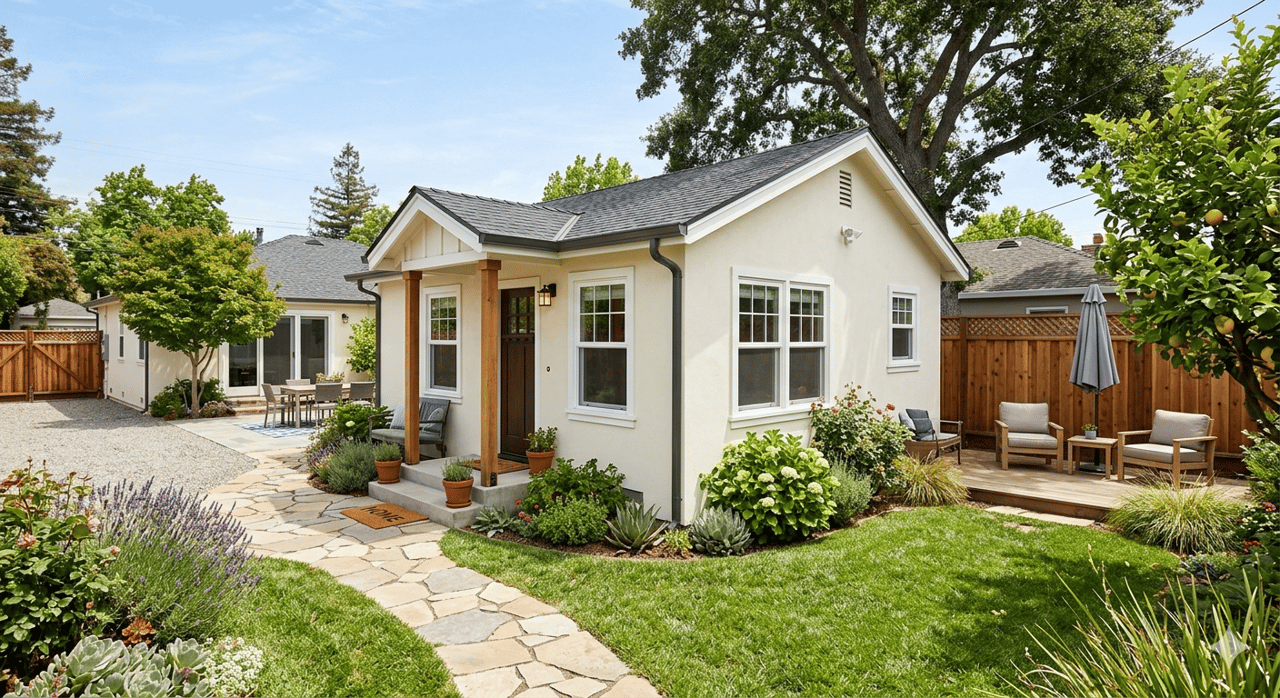
Why ADUs are one of the strongest value-add moves for San Jose homeowners in 2026.

Seller Tips
The 5 Must-Haves: Positioning your home for move-in ready condition, flexible work space, and modern efficiency.

Seller Tips
Sharpen Your Strategy: How to achieve strong results even when buyers are cautious and inventory is rising.

Seller Tips
The Real Cost of Overpricing: Why your list price is costing you momentum and money.
Seller Tips
How video marketing helps Cambrian and Willow Glen sellers reach qualified buyers already interested in San Jose real estate.

Buyer Tips
Three proven strategies for Cambrian and Willow Glen homeowners navigating a same-time move with less stress and better timing.

Market Strategy
A proven, ROI-focused framework for Cambrian and Willow Glen sellers who want above-asking results; without overspending before closing.

Market Updates
The data from April tells a story most sellers in this zip code haven't heard yet.

Relocating to San Jose
Here's What Willow Glen and Cambrian Feel Like to Actually Live In
We believe the process of buying or selling your home should be enjoyable as well as rewarding. Our commitment to our clients is to work hard and provide them with a hassle-free, fun experience. We know how to make this stressful time much easier with our professional expertise, marketplace knowledge, high-tech marketing strategies as well as our enthusiastic team spirit.