
Recent Blog Post
Why Your Home Isn't Selling (And It Has Nothing to Do with the Market)
Recent Blog Post
Here's the single hardest truth in real estate — and most sellers don't want to hear it.
If your home isn't selling, it's not because buyers are being difficult. It's not because the market is slow. And it's definitely not because you just haven't found the right buyer yet.
It's because buyers have better options.
The moment you really accept that — not just hear it, but truly own it — everything changes.
Watch the full breakdown below, then keep reading.
In this video, I walk through exactly why homes stall on the market in Silicon Valley — and what sellers can do about it before the market forces their hand.
Buyers Are Comparing You to Everything
The second your listing goes live, buyers — usually on their phones, usually in under 10 seconds — are not evaluating your home in isolation. They're comparing it to every other home at your price point. Other neighborhoods. Other cities. Homes that haven't even hit the market yet.
Your home isn't competing with what you think it's worth. It's competing with everything else someone can get for the same money.
And that comparison happens fast. Photo. Photo. Photo. Next.
Want a quick reality check? Open Zillow or Redfin tonight and scroll through your competition the way a buyer would — not as the homeowner, not as an agent. Just like a stranger. If three listings look better than yours at the same price, you have your answer.
Emotional Value Is Invisible to Buyers
Every seller believes this, even if they don't say it out loud: "If buyers just saw it in person, they'd understand."
It makes total emotional sense. You raised your kids there. You hosted every holiday. You upgraded things, fixed things, lived a real life in that house. Of course it feels special.
But here's the hard part: buyers don't care. Not because they're cold — because they're shopping.
Emotional value is non-transferable. Buyers didn't pick the paint. They didn't live the memories. They assign value to square footage, layout, updates, location, and how your price compares to the alternatives.
When sellers cling to emotional value, one dangerous thing happens: they overestimate demand. That shows up as "we'll just wait for the right buyer" — and what actually happens is days on market climb, leverage shifts, and price reductions follow from a weaker position.
Emotion doesn't protect your price. It delays reality.
Your Home Is a Product Now
The moment you decide to sell, your home stops being your home and becomes inventory in a marketplace.
Buyers don't see birthday parties or renovation stories. They see price, photos, location, and condition — and they compare. Products don't get priced emotionally. They get positioned strategically. And when you make that mental shift early, you gain clarity and control instead of losing both to the market over time.
Why the First Two Weeks Are Everything
The first two weeks on the market are the honeymoon period. Every buyer who's been watching gets the new listing alert. Agents bring their best clients first. Your listing is fresh.
Miss that window and something brutal happens. Buyers stop thinking "oh cool, it's still available" and start thinking "why is it still available?" Once that question enters the conversation, you're not just selling a house anymore — you're selling the idea that nothing's wrong with it. That's a completely different battle.
If you're already on the market with no showings, or showings but no offers, the path forward is almost always one of two things: the price needs to be more competitive, the presentation needs to be stronger, or both.
How Buyers Reject Homes (Before They Ever Visit)
Most rejections happen before a showing is ever booked.
An agent working with a buyer who can spend $1.8M–$2.2M in Silicon Valley will shortlist maybe five homes to show that weekend. Not fifty — five. If you're number six, you're invisible.
The difference between making that list and not? Often the small stuff. Fresh paint. Better lighting. Cleaner surfaces. Photos that are crisp and bright. A yard that looks cared for. All of it increases perceived value — and perceived value is what gets the click, the showing, and the offer.
Pricing just a little high kills momentum. Poor photos destroy perceived value. Dated finishes cost more than sellers realize. And overconfidence loses buyers silently, without a word of feedback.
Buyers don't argue with listings. They don't negotiate with emotions. They just move on.
The Second Agent Problem
There's a saying in real estate I don't love, but it exists for a reason: it's sometimes easier to be the second agent a seller hires than the first.
The first agent absorbs the emotion and the unrealistic expectations. The home hits the market too high. Showings are light. Offers don't come. Then the second agent comes in with new photos, new pricing, new positioning — and looks like they saved the day.
Nothing magical happened. The market just beat the seller into seeing the home the way buyers already did. And that process costs weeks of momentum, days on market stigma, and often real money.
None of it has to happen. When you price it right from day one and position it before launch, you keep your leverage and don't spend weeks chasing a market that's already moved on.
The Simplest Test
Ask yourself this: if this wasn't your home, would you buy it?
If the answer isn't an enthusiastic yes — buyers already decided before they showed up.
Homes don't sell because sellers believe in them. Homes sell because buyers choose them. And buyers always choose the best option available.
So if your home isn't selling, it's not personal, it's not mysterious, and it's not unfair. Buyers simply have better options. The good news? That's fixable — and it almost always starts with seeing your home the way buyers actually do.
Want a Free Second Opinion?
I've been a licensed broker in Silicon Valley for over 20 years. I've sat on the ethics committee for over a decade and managed an office for the number one brokerage in the country overseeing billions in sales. My goal is to help you protect your most valuable asset — not tell you what you want to hear.
Reach out if you want my free seller PDF covering the exact prep and pricing mistakes that cost sellers money. Or if you want an honest, buyer-focused breakdown of how your home stacks up in today's market, let's talk.
Kip and Tam | Barnard Group — San Jose
DRE# 01428934 | Compass
Manual
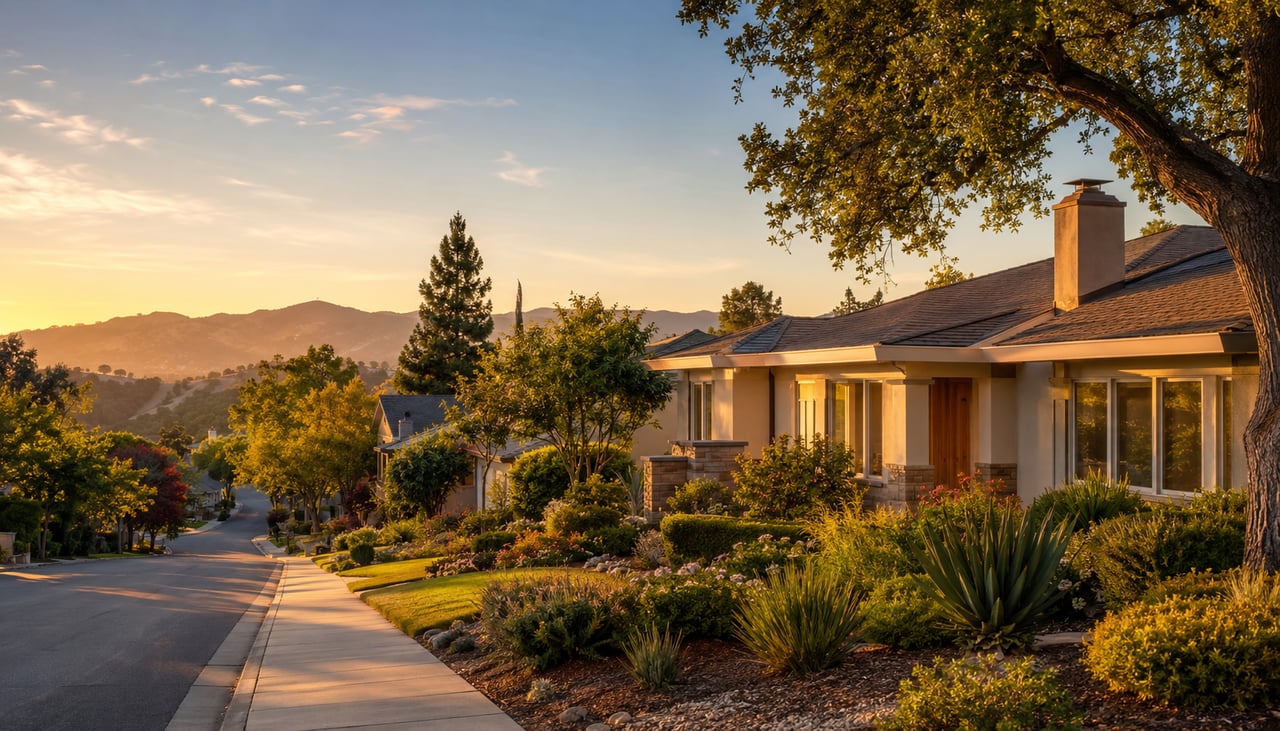
What are the things real estate agents don't tell sellers in the Cambrian neighborhood of San Jose?

Community
From a Golden Gate Bridge milestone to the best hometown show in the South Bay, here's where locals are headed this year.

Community
Eight outdoor concert series, one map, zero excuses to stay home this summer

Seller Tips

San Jose
How momentum, pricing, and presentation shape early results.

Seller Tips
What homeowners worry about most before they list.

Buyer Resources
A smarter way to compete in Cambrian, Willow Glen, and across San Jose.
Buyer Tips
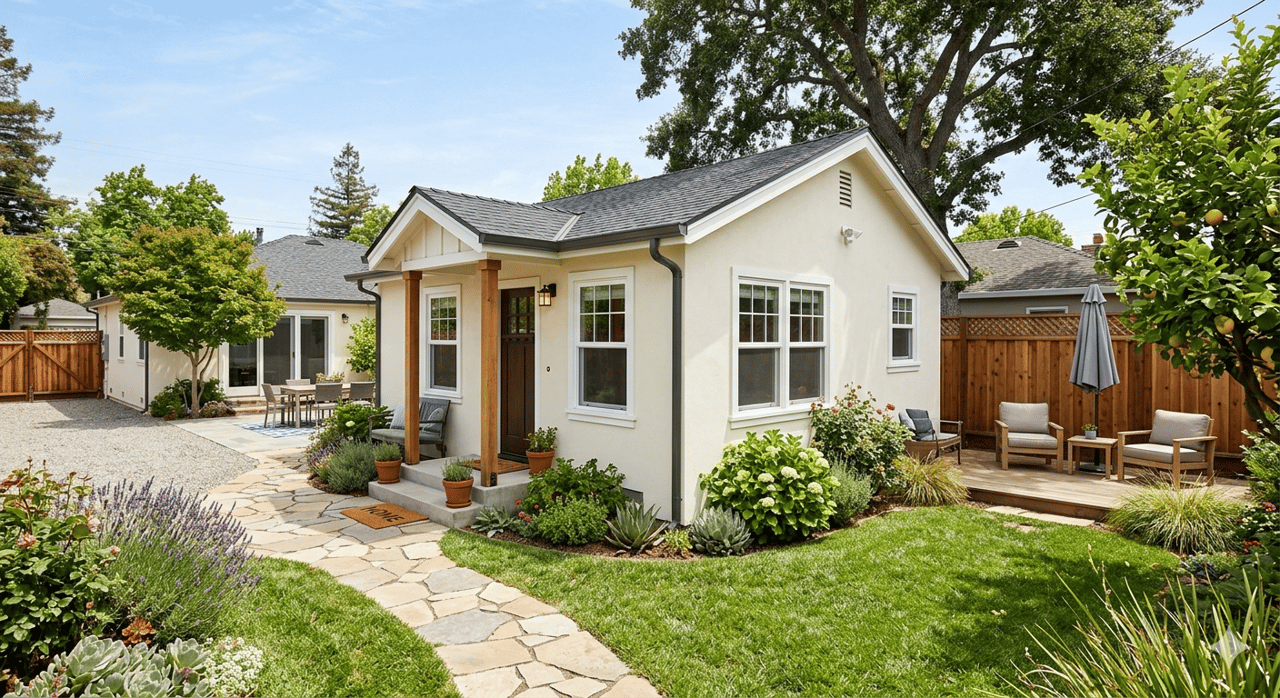
Why ADUs are one of the strongest value-add moves for San Jose homeowners in 2026.

Seller Tips
The 5 Must-Haves: Positioning your home for move-in ready condition, flexible work space, and modern efficiency.
We believe the process of buying or selling your home should be enjoyable as well as rewarding. Our commitment to our clients is to work hard and provide them with a hassle-free, fun experience. We know how to make this stressful time much easier with our professional expertise, marketplace knowledge, high-tech marketing strategies as well as our enthusiastic team spirit.