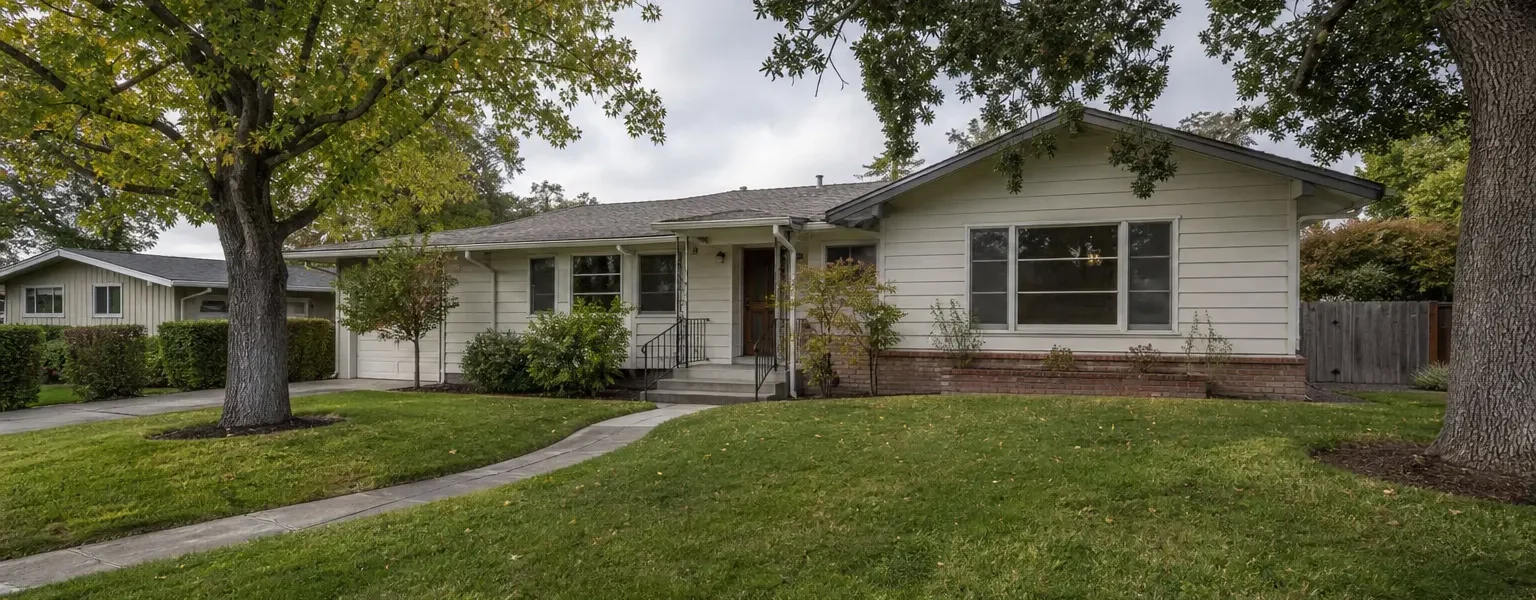
What do buyers flag most in 1950s and 1960s Cambrian homes?
Galvanized plumbing, undersized electrical panels, foundation cracks, pest damage, unpermitted additions, and lead or asbestos concerns top the list. Knowing these issues before you list puts you in control of the negotiation.
Why This Matters Right Now for Cambrian Sellers
Cambrian was built fast during San Jose’s postwar boom. Sixty to seventy years later, the buyers walking through your front door know exactly where to look, and so do their inspectors. Today’s Cambrian buyer pool includes a significant share of analytical tech professionals and established families who arrive with experienced inspectors, engineers, and sometimes even contractors ready to evaluate every system in the house.
If you’ve owned your Cambrian home for years or even decades, you have equity and emotional investment working in your favor. But here is what I tell my clients: the worst time to learn about a problem is when a buyer’s inspector puts it in writing and hands it to the other side’s agent. That report becomes a negotiating weapon. When you identify the issues first, you choose how to address them, whether that means repairing, disclosing, or pricing accordingly. With 35 years in real estate and over 351 transactions closed, I can tell you the pattern is remarkably consistent across the Cambrian neighborhoods spanning ZIP codes 95124 and 95118.
Galvanized Plumbing Is the First Thing Cambrian Buyers Ask About
If your home was built in the 1950s or 1960s, there is a strong chance it still has galvanized steel supply pipes somewhere in the system. These pipes corrode from the inside out. You may not see the problem, but you will eventually feel it: low water pressure, rusty or discolored water, and pinhole leaks that can damage walls and floors.
Many Cambrian homes have been partially repiped over the decades. That is actually a good thing, but it creates a follow-up question every buyer will ask: which sections have been replaced, and which sections are still original? If you do not have a clear answer, the buyer’s inspector will provide one, and it will come attached to a repair estimate and a request for a credit.
What I recommend is getting a plumbing assessment before you list. Know which sections are copper, which are galvanized, and document it. California Civil Code Section 1102.155 requires sellers to disclose whether the property has non-water-conserving plumbing fixtures, a disclosure that draws additional attention to the plumbing system during buyer review. When you address plumbing proactively, you remove the inspection item buyers and their agents anticipate first.
Partial Repiping Creates Its Own Questions
A home that has been partially repiped can actually raise more questions than one that has not been touched at all. Buyers want to see documentation: when the work was done, who did it, and where the original galvanized sections remain. Pull your permit records from the City of San Jose’s permit portal before listing. If the repipe was done without a permit, you will need to disclose that, which leads to the next major flag on the list.
Electrical Panels and Outdated Wiring in Cambrian Homes
Undersized original panels, ungrounded two-prong outlets, and certain older panel brands show up constantly in Cambrian inspections. Federal Pacific and Zinsco panels, which carry known safety concerns, are a recurring inspection flag in homes from this era.
Here is what makes this issue especially relevant in 2026: today’s Cambrian buyers want EV chargers, modern kitchens with high-draw appliances, and home offices running multiple devices. An undersized panel does not just fail an inspection. It tells the buyer they are looking at a significant upgrade expense before they can use the home the way they plan to. That cost estimate becomes a negotiating position.
What I see repeatedly with Cambrian sellers is that an electrical panel upgrade, while not inexpensive, can remove the most common source of post-inspection price renegotiation. At a minimum, you should have a licensed electrician evaluate your panel and document its capacity. If your home still has Federal Pacific or Zinsco equipment, you should seriously consider replacement before listing.
Two-Prong Outlets Signal Deeper Issues
Ungrounded outlets are more than a cosmetic problem. They tell a buyer the wiring behind the walls may not meet modern standards. An inspector who sees two-prong outlets throughout the house will note the absence of grounding.
Foundation, Drainage, and Pest Concerns in Cambrian
Cracks, settling, and uneven floors raise red flags fast with Cambrian buyers, particularly in homes where poor grading directs water toward the foundation rather than away from it. Foundation issues in postwar slab and raised-foundation homes range from cosmetic to structural, but here is the problem: buyers cannot tell the difference between a cosmetic hairline crack and a structural failure without an engineer’s report. Undisclosed cracks reliably trigger contingency extensions, and those extensions cost you time and leverage.
The pest report is equally consequential. California’s standard pest inspection report divides findings into two categories. Section 1 covers active infestation or infection, and Section 2 covers conditions likely to lead to future problems. Buyers and their lenders pay close attention to Section 1 items. In my experience, sellers who clear Section 1 findings before listing control the conversation rather than reacting to it.
Wood-destroying pests and moisture damage are common findings in Cambrian homes of this era. Given the age of the housing stock, these findings are not unusual. What matters is whether you discovered them or the buyer did.
Drainage Is Often Overlooked Until It Is Not
Grading on lots of this age can shift over decades. If water pools near your foundation during winter rains, that is a condition a buyer’s inspector will note and a buyer’s agent will price into their offer. A pre-listing drainage assessment is one of the most cost-effective steps you can take.
Unpermitted Work and Disclosure Obligations in Cambrian
Garage conversions, enclosed patios, and room additions from the 1960s and 1970s are a recurring pattern across Cambrian. You may not have done the work yourself; it may have been completed by a previous owner decades ago. Regardless, buyers worry about three things when unpermitted work is identified.
- Insurance risk. Work that does not meet current code can create underwriting problems for the buyer’s homeowner’s insurance.
- Square footage accuracy. If a converted garage is counted as living space in the listing but has no permit, the buyer and their lender will question the home’s actual square footage.
- Lender concerns. Buyers and their agents worry that lenders may not fund against unpermitted space, especially at the price points common in Cambrian.
California Civil Code Section 1102 requires you to deliver a Transfer Disclosure Statement to every buyer. California Civil Code Section 1102.1 clarifies that this obligation cannot be waived even in an “as-is” sale. If unpermitted work exists, it belongs on the TDS. Pulling your permit history before listing lets you get ahead of the issue and address it on your terms.
What I always recommend is transparency. Disclosure protects you legally and builds trust with buyers who are going to discover the issue during their own due diligence anyway.
Asbestos, Lead Paint, and Aging Systems Every Cambrian Seller Should Know About
Every 1950s and 1960s Cambrian home falls within the scope of federal lead-based paint disclosure law. Under 42 U.S.C. Section 4852d, sellers of homes built before the 1978 federal cutoff year must provide buyers with a Lead-Based Paint Disclosure and an EPA pamphlet. This is not optional, and failure to comply is a federal violation.
Popcorn ceilings, old vinyl floor tiles, and duct wrap in homes from this era may contain asbestos. Neither asbestos nor lead paint is automatically a deal-killer. However, both require disclosure and buyer understanding. In my experience, proactive disclosure and a calm explanation of the situation prevent these issues from becoming emotional sticking points during negotiation.
Aging Systems Round Out the Buyer’s Checklist
Original wall or floor furnaces, single-pane aluminum windows, and roofs at or past their service life complete the list of items that Cambrian buyers and their inspectors flag. None of these are surprising in a home of this vintage. All of them become negotiating tools if they are discovered late in escrow rather than disclosed and priced appropriately from the beginning.
The difference between a smooth Cambrian transaction and a turbulent one often comes down to timing: did the seller know about these items before listing, or did the buyer’s inspector announce them during the contingency period?
How Pre-Listing Preparation Changes the Outcome in Cambrian
If a TDS or material amendment is delivered after the buyer’s offer is signed, the buyer has 3 days (for in-person delivery) or 5 days (for mail or electronic delivery) to rescind under California Civil Code. That rescission window can unravel a deal at the worst possible moment. Sellers who know their home’s condition before listing eliminate that window entirely.
With over $1.3 billion in Silicon Valley residential transactions in my career and 163 five-star reviews from past clients, I can tell you the sellers who fare best in Cambrian are the ones who treat preparation as an investment, not an expense. You are selling a 60-plus-year-old home in one of San Jose’s most desirable neighborhoods, near community assets like Camden Community Center and Lone Hill Park, in a market where school-zone boundaries across Union, Cambrian, and San Jose Unified districts shape buyer decisions. Buyers want these homes. They just want to know what they are getting. Your home’s condition can also influence your pricing strategy. Learn more about whether to price your Cambrian home low to start a bidding war.
Frequently Asked Questions
What is the most common inspection issue in 1950s and 1960s Cambrian homes?
Galvanized steel plumbing is the issue inspectors and buyers anticipate first. These pipes corrode internally, causing low water pressure and discolored water. Many Cambrian homes have been partially repiped, and buyers will specifically ask which sections remain original. A pre-listing plumbing assessment gives you a documented answer.
Are Federal Pacific or Zinsco electrical panels a deal-breaker in Cambrian?
Not automatically, but they are a significant inspection flag that carries known safety concerns.
Do I have to disclose lead paint in my Cambrian home?
If your home was built before 1978, federal law under 42 U.S.C. Section 4852d requires you to provide a Lead-Based Paint Disclosure and an EPA pamphlet to every buyer. This is a non-negotiable federal requirement. Proactive disclosure protects you legally and is rarely a deal-killer on its own.
What is the difference between Section 1 and Section 2 pest findings?
Section 1 findings indicate active infestation or infection. Section 2 findings indicate conditions likely to lead to future problems. Lenders and buyers focus primarily on Section 1 items. Clearing Section 1 findings before listing gives you control over the repair scope and cost rather than letting the buyer dictate terms.
Can I sell my Cambrian home “as-is” without disclosures?
No. California Civil Code Section 1102.1 makes clear that the Transfer Disclosure Statement obligation cannot be waived even in an “as-is” sale. You must deliver the Transfer Disclosure Statement regardless of the sale terms — an estate attorney or your agent can advise on the full scope of your disclosure obligations.
How do unpermitted additions affect my Cambrian home sale?
Unpermitted work can create problems with buyer financing, insurance underwriting, and square footage accuracy. Buyers worry about whether unpermitted space will be counted by the appraiser and whether the work meets safety standards. Pull your permit history from the City of San Jose before listing so you can disclose and address any discrepancies.
Should I repipe my entire Cambrian home before listing?
Not necessarily. A full repipe is a significant expense that may not be warranted if most of the system has already been updated. However, you should document the current state of your plumbing so buyers have clear answers. The decision to repipe should be based on an assessment of the remaining galvanized sections and your pricing strategy.
How do foundation cracks affect a Cambrian home sale?
Buyers cannot distinguish cosmetic cracks from structural issues without professional evaluation. Undisclosed cracks reliably trigger contingency extensions and renegotiations. A pre-listing engineer’s report that shows cracks are cosmetic removes this concern. If structural work is needed, knowing before listing lets you decide how to handle it.
Is asbestos in popcorn ceilings a deal-killer for Cambrian buyers?
Generally not. Many buyers in Cambrian understand that asbestos-containing materials are common in homes of this era. What matters is proper disclosure and buyer understanding. How intact asbestos is handled depends on its condition and location — an environmental professional can advise on the appropriate approach.
What is the buyer rescission window I should know about?
If a Transfer Disclosure Statement or material amendment is delivered after the buyer’s offer is signed, the buyer has 3 days (in-person delivery) or 5 days (mail or electronic delivery) to rescind under California law. Completing your disclosures before accepting an offer eliminates this risk entirely.
The Bottom Line for Cambrian Home Sellers
Nothing on this list should scare you. Every item, from galvanized plumbing to aging furnaces, is a known characteristic of 1950s and 1960s Cambrian homes. Buyers expect these findings. What hurts is letting the buyer find them first, during a contingency period when their inspector’s report becomes a renegotiation tool.
Know your home’s weak spots before you list. Get inspections, pull permits, and document everything. You control the conversation instead of reacting to it.
If you are thinking about selling your Cambrian home and want a clear, prioritized plan for preparing a postwar home for today’s market, I would welcome the conversation. You can reach me, Kip Barnard with Kip and Tam at Compass, at 408-515-8277. With 35 years in real estate, 351 closed transactions, and deep roots in the Cambrian and Willow Glen communities, helping sellers in this exact situation is what we do best.